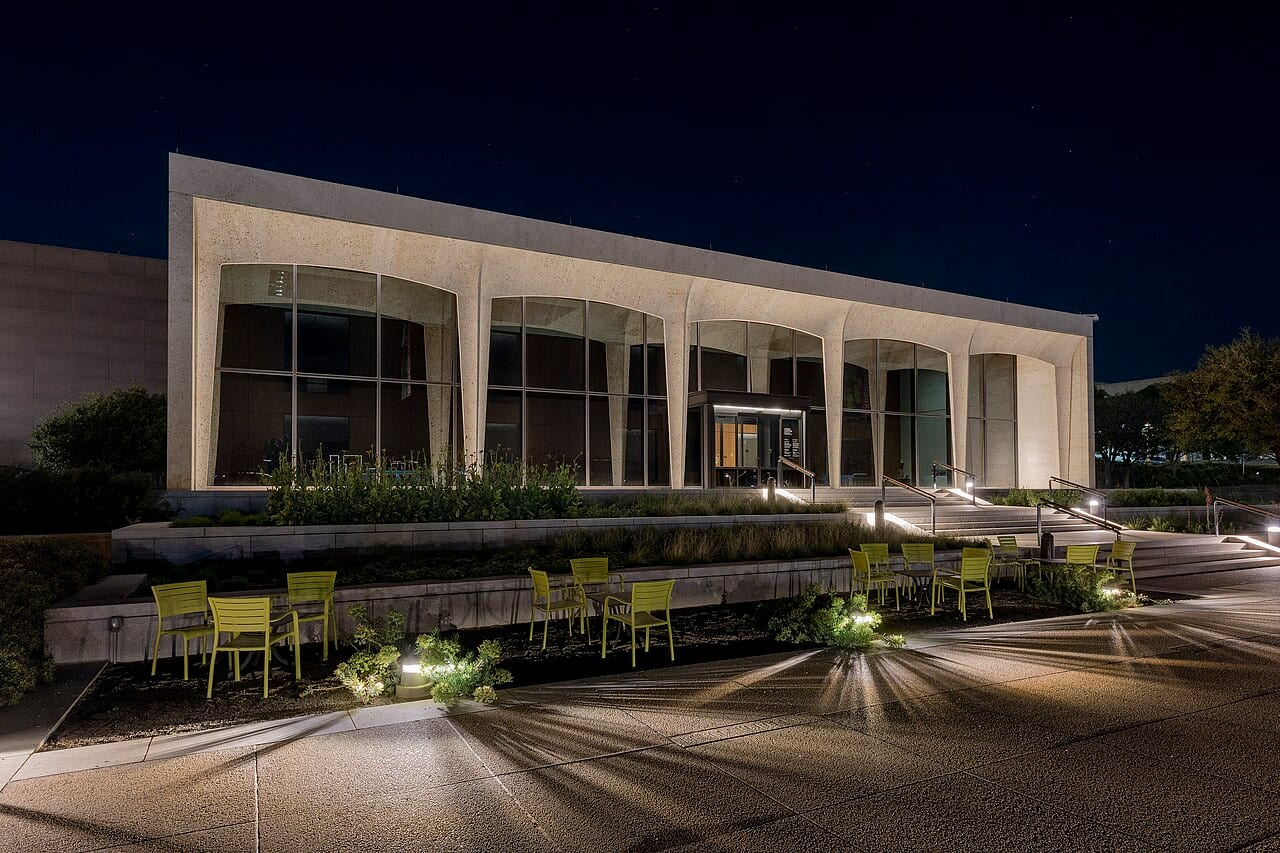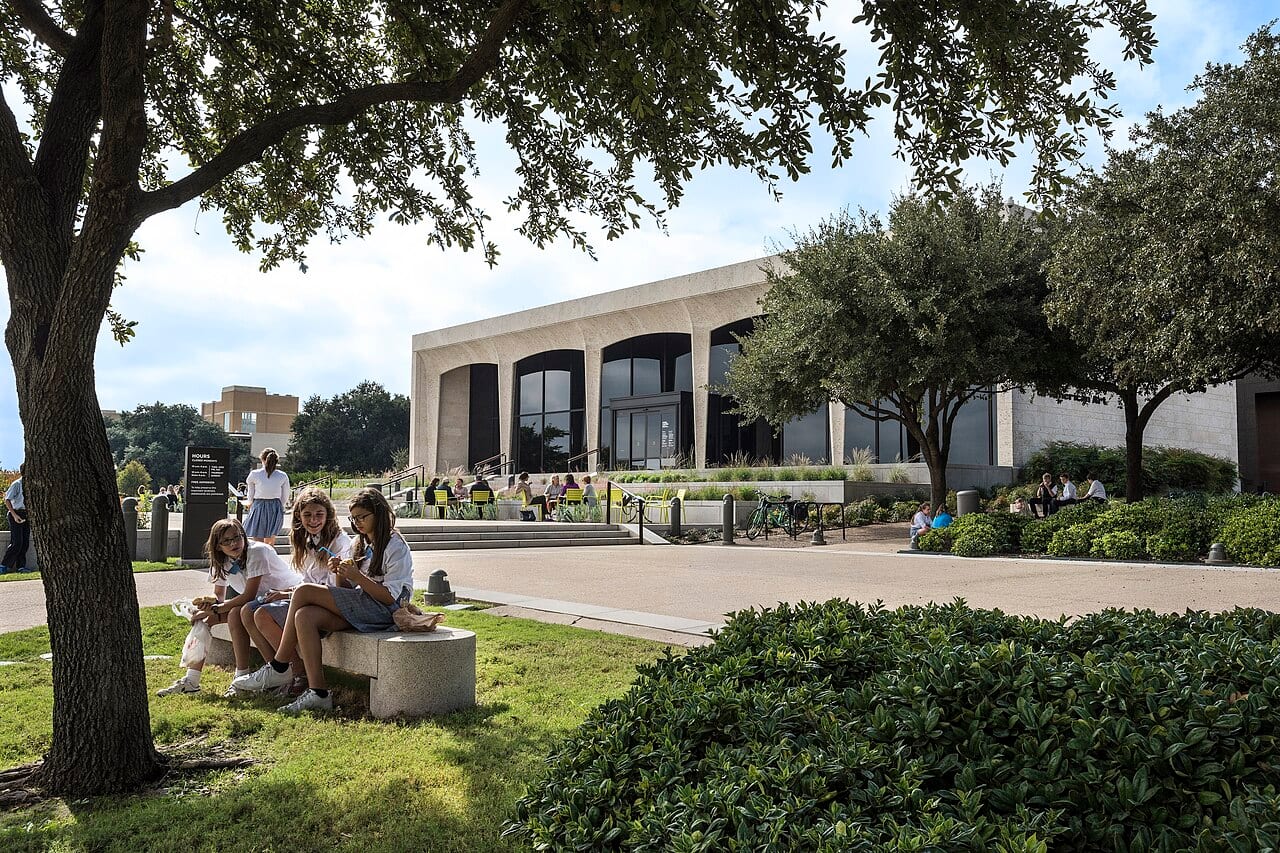
The lobby of a major Dallas museum often presents a daunting menu of possibilities. Between large-scale installations, intimate portrait galleries, and rotating special exhibitions, the sheer volume of visual information can turn a cultural outing into a marathon of scanning rather than a moment of seeing. For many, the impulse is to see everything on the current schedule, but the reality of a museum visit is often defined by how much you allow yourself to linger.
Balancing Differing Interests
Navigating a gallery visit becomes more complex when you are not alone. It is common for companions to approach art with entirely different priorities. One person might seek a high-energy experience, moving quickly from one major piece to the next to grasp the breadth of a collection. Another may prefer a quiet, meditative approach, spending twenty minutes in front of a single canvas to understand its texture and light.
For example, if you are visiting a museum with a partner, you might find yourselves at a crossroads between a sprawling contemporary installation and a specialized historical survey. One of you may want to document every room for a social media feed, while the other wants to sit on a bench and simply observe the room's atmosphere. This creates a tension between the desire for variety and the desire for depth.
The Tradeoff of Time and Depth
Choosing to focus on one specific exhibition involves a meaningful tradeoff. By committing to a single show, you sacrifice the breadth of the entire museum's current offerings. You will miss the secondary galleries and the peripheral collections. However, what you gain is the ability to engage with the work on a granular level. Instead of a superficial glance at twenty pieces, you might find yourself noticing the brushstrokes, the scale of the medium, or the way the lighting interacts with the subject matter.
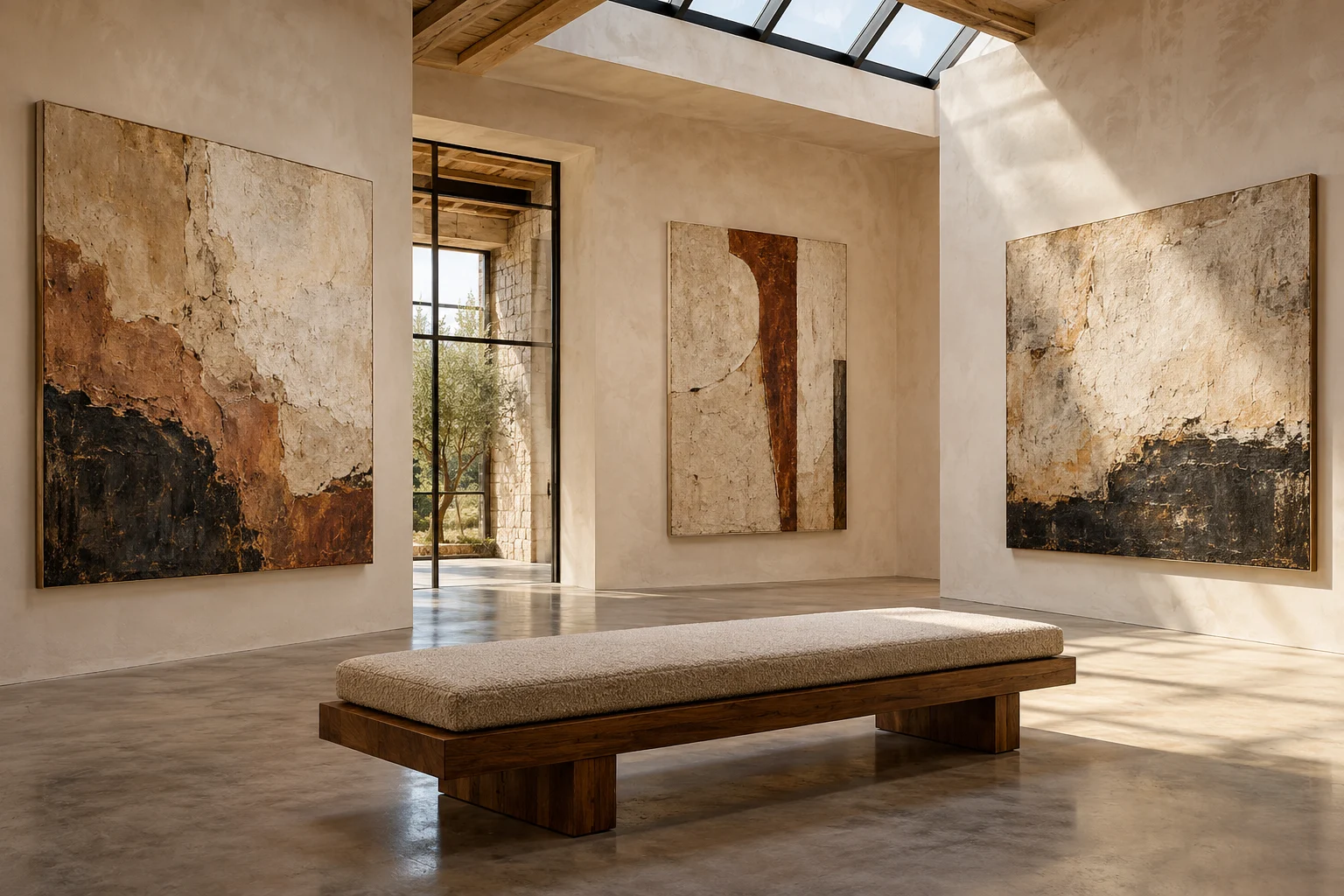
This decision allows for reflection. When you are not checking a box to say you "saw the museum," you create space to ask yourself what the work evokes. You can move backward to see a piece from a different angle or stay long enough to notice how the mood of the room shifts as the afternoon light changes through the skylights.
Planning a Focused Visit
Before heading out, consider which type of engagement suits your current energy level. If you are looking for a singular, impactful experience, identify one exhibition that aligns with your interests and make that your primary destination. If you are traveling with someone whose priorities differ, discuss whether you will split up for a portion of the visit or if you will agree on a shared pace.
Ask the museum staff about the approximate time required to view a specific exhibition if you wish to see it thoroughly. Determine if there are specific quiet zones or seating areas near the works you find most compelling. By narrowing your scope to one intentional choice, you transform a checklist into a genuine encounter.