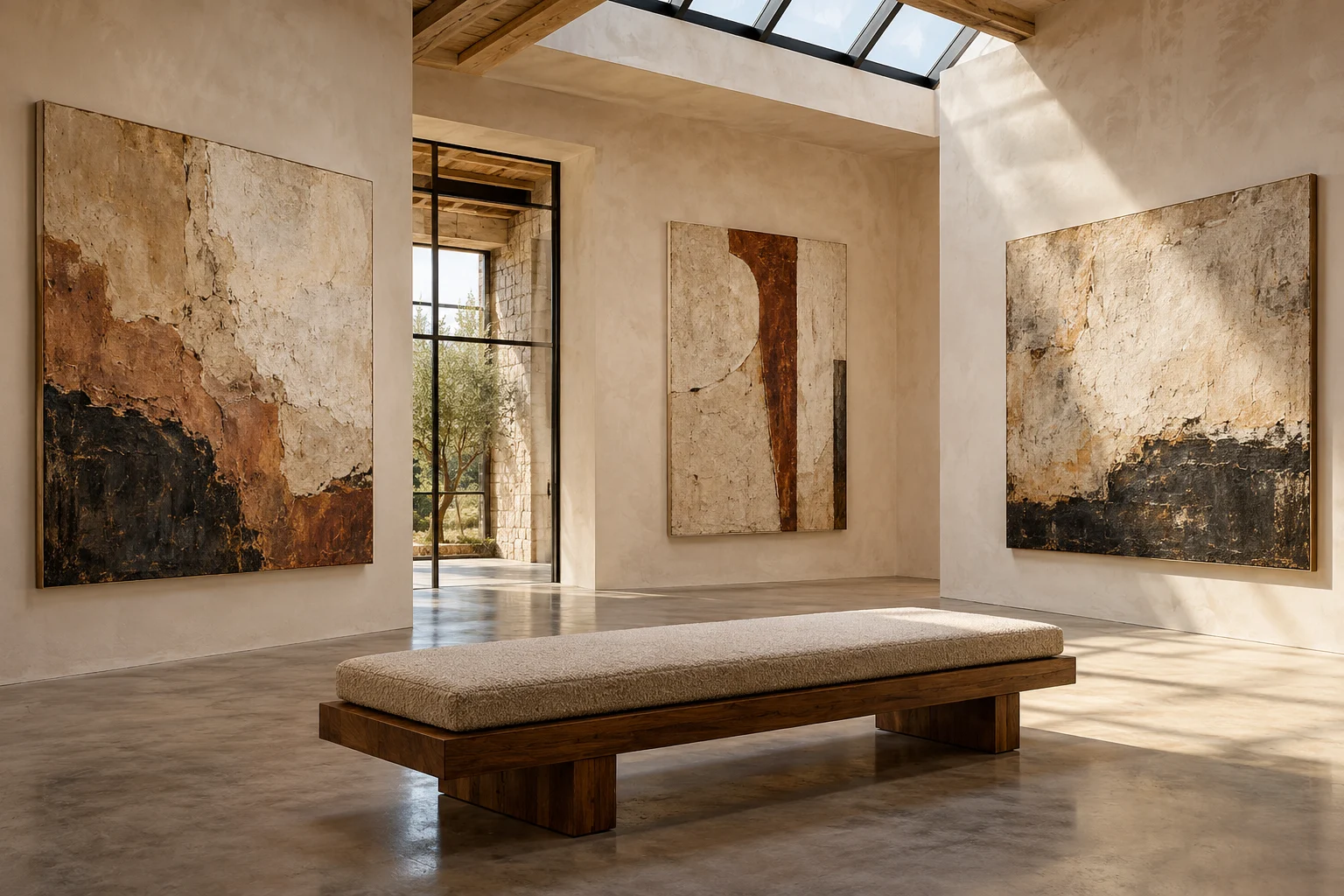
A heavy slab of oxidized steel sits in the center of a gallery, its surface pitted and textured like ancient riverbed stone. To one viewer, it evokes the ruggedness of a canyon wall; to another, it feels like the industrial decay of a forgotten shipyard. Beside it, a small placard provides the artist’s intent, describing the piece as a meditation on temporal fluidity. There is a tension here between the immediate, visceral response of the eye and the intellectual framework provided by the creator.
The Gap Between Sight and Statement
Engaging with art often requires navigating this divide. You might find yourself drawn to a particular color palette or a specific way light hits a sculpture, even if those elements aren't mentioned in the artist's written description. This is not a failure of understanding, but rather a personal observation. When you transition from observing finished works to discussing a custom commission, your ability to articulate these private reactions becomes your most valuable tool. Relying solely on an artist's vocabulary can lead to a finished piece that satisfies their concept but misses your aesthetic preference.
Balancing Vision and Practicality
Deciding to commission a piece involves a significant tradeoff between creative freedom and personal control. If you provide an artist with a rigid set of instructions, you may receive exactly what you asked for, but you might bypass the very spontaneity that makes their work unique. Conversely, if you offer too much latitude, you risk a result that feels disconnected from your space. For example, if you find yourself enamored with the way a certain painter uses thick, impasto strokes to create shadows, you must decide how much of that technique you want to dictate versus how much you want to leave to their discretion.
Preparing for the Conversation
Before requesting a quote for a custom project, it is helpful to organize your observations. Instead of searching for the "correct" way to describe art, focus on the physical attributes that resonate with you. Ask yourself what specific textures, scales, or lighting effects draw you in. When you eventually meet with a professional, consider asking how they translate a client's visual preferences into a formal project plan. You might also ask how they approach the iterative process of feedback to ensure the work aligns with your initial observations.
Refining your request is less about learning art history and more about documenting your own reactions. By identifying the specific visual elements that move you, you provide a clearer foundation for a professional to build upon. Approach the initial inquiry by presenting your observations and asking how those specific details might influence the scope and direction of the proposed work.