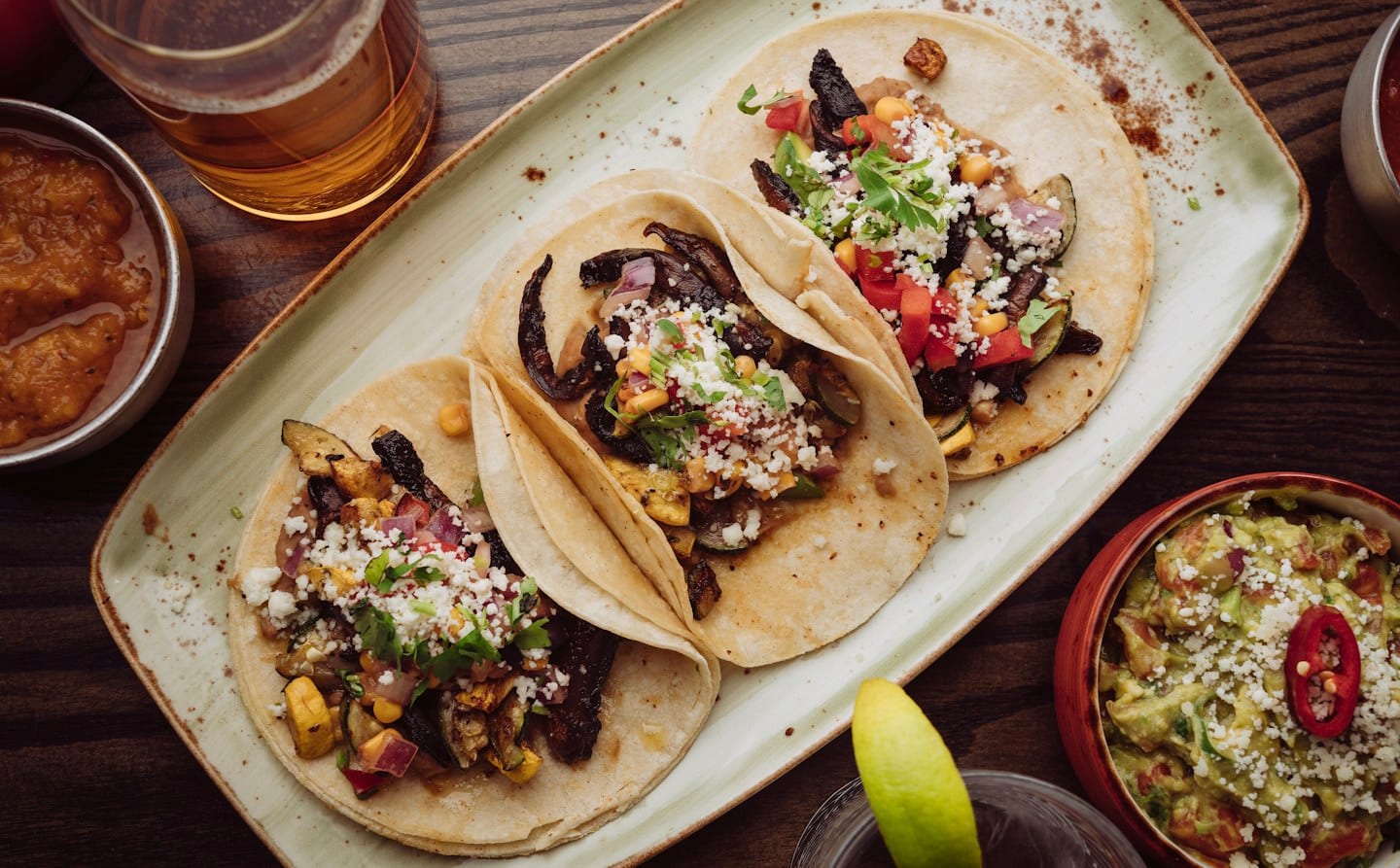
A long table, several shared plates, and a group of friends all attempting to reach a consensus on the evening's best dish. This pursuit of a single winner can sometimes stifle the actual enjoyment of the meal. When a group approaches a tasting menu, the social friction often arises not from the food itself, but from the pressure to rank it.
Observing Personal Nuance
The most successful tasting evenings begin with a commitment to personal observation. Instead of asking, "Was that good?" or attempting to assign a numerical value to a dish, try focusing on the specific elements that stand out to you. You might notice a particular brightness in a citrus reduction or a specific texture in a roasted vegetable. By prioritizing these personal preferences, you move the conversation away from a competitive scoreboard and toward a shared exploration of flavor.
This approach allows for disagreement without conflict. One person may find a dish overly acidic while another finds it perfectly balanced. Both perspectives are valid observations of a personal experience rather than declarations of a universal truth. When the conversation shifts from "Is this excellent?" to "I noticed a heavy hint of smoke in this course," the table opens up to a variety of viewpoints.
The Tradeoff of Breadth and Depth
When a restaurant offers a curated set of courses, you face a choice between the breadth of the menu and the depth of the experience. A larger set of dishes provides more variety, which can be engaging for a group with diverse tastes. However, a smaller, more focused selection allows for a slower pace and more meaningful discussion about each component. The tradeoff is between seeing a wide range of what the kitchen prepares and having the time to inhabit each bite.
For example, if a group chooses a twelve-course progression, the rapid succession of plates may leave little room for the conversation to drift naturally. The sensory input can become overwhelming, making it difficult to distinguish one flavor profile from the next. If that same group opts for a six-course menu, the rhythm of the evening changes, allowing the table to linger over a single plate rather than rushing to clear space for the next. This slower tempo invites more thoughtful dialogue and less rushed consumption.
Coordinating the Evening
Before the first course arrives, there are practicalities to address with the staff to ensure the evening remains seamless. Rather than assuming the menu is a fixed path, consider the specific needs of your party. Ask the server how the menu can be adjusted to accommodate specific dietary preferences or if certain courses can be paced differently to suit your group's rhythm.
If you are planning a larger gathering, ask how the kitchen manages the timing of shared plates to ensure everyone is served simultaneously. You might also ask how the staff handles substitutions if a particular ingredient is unavailable that evening. Addressing these details early allows the group to focus on the meal rather than the logistics of the service.
To make the most of a tasting event, decide early whether you are there to judge a menu or to experience it. If you prioritize the latter, keep your observations personal and directed toward the nuances of the ingredients. By treating the meal as a series of individual discoveries rather than a collective exam, you transform a potential debate into a genuine shared memory. The goal is not to decide which dish was objectively superior, but to share the unique way each dish affected your own palate.