A sudden opening in a Tuesday afternoon schedule can transform a quiet evening into an unexpected culinary outing. This is not a change in your goal—you still intend to find a satisfying meal—but rather a change in the rhythm of your day. Instead of the usual predictable stop, you find yourself standing on a sidewalk in a neighborhood you rarely frequent, weighing the merits of a specific storefront against the comfort of your established routine.
The Weight of the Single Destination
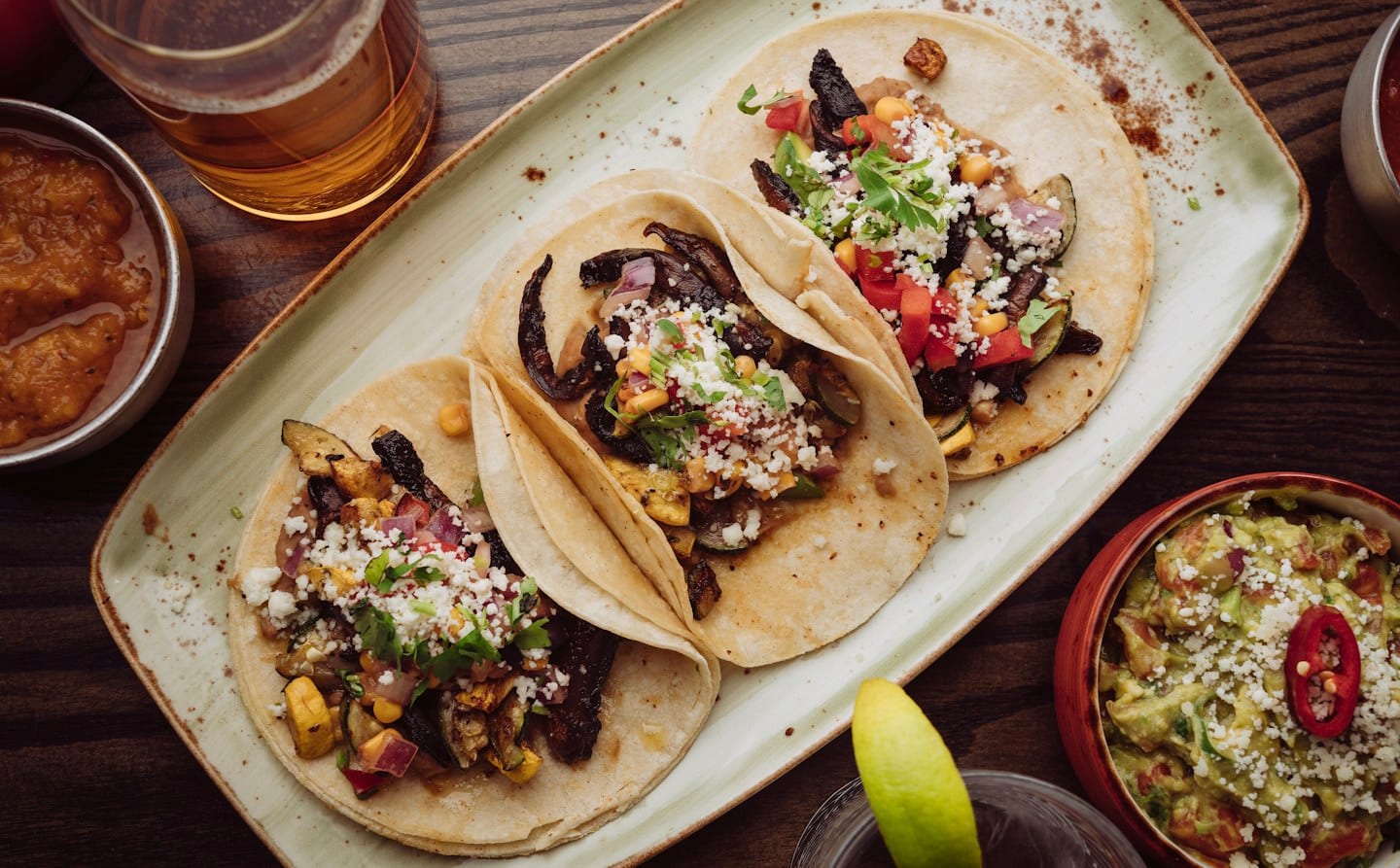
When your primary objective is a single, specific venue, the success of the outing rests on that one choice. The temptation is to arrive and hope for the best, but a shift in routine often means you are operating outside your usual window of certainty. A venue that serves as a reliable staple on a Saturday might present a different reality on a random weekday afternoon.
For example, if you decide to visit a bistro you have only seen from the car, you face a tradeoff between the excitement of the unknown and the reliability of the known. You might find a vibrant atmosphere that suits your new free time, or you might find a quiet room that feels mismatched to your current energy. To manage this, verify the venue's current details directly before you depart. Check their current availability or any recent updates to their service patterns to ensure your primary destination is ready to receive you.
Managing the Optional Second Stop
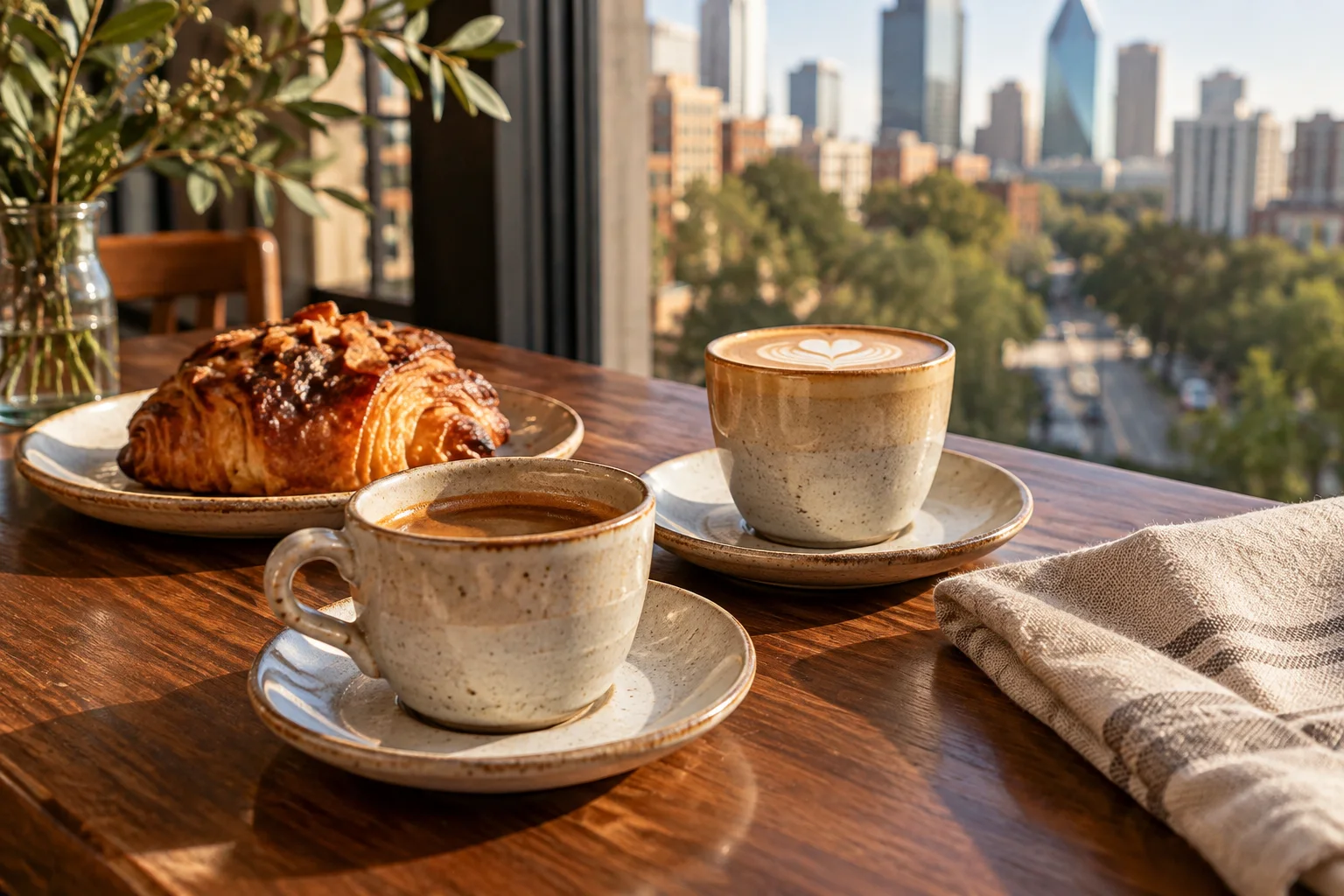
Often, a change in routine invites the idea of a secondary location—perhaps a nearby coffee shop or a boutique bookstore—to extend the experience. However, treating this second stop as strictly optional is a practical way to preserve the quality of your main meal. If the first destination is more involved or more satisfying than anticipated, you may find you no longer have the appetite or the inclination for a follow-up.
Deciding whether to pursue a second location depends entirely on how the first experience settles. If the meal is brisk and efficient, the detour might feel like a natural extension of your afternoon. If the meal is slow and contemplative, forcing a second stop can turn a pleasant afternoon into a rushed one. Observe how you feel as you finish your main course before committing to the next movement of your day.
Refining the Spontaneous Outing
The most successful spontaneous outings are those that balance the thrill of a new direction with the discipline of verification. By confirming the status of your main destination first, you remove the risk of a wasted trip. Once the primary goal is secured, the rest of your afternoon can remain fluid. If the meal meets your expectations, you can decide in the moment whether to continue your exploration or simply enjoy the quiet satisfaction of a successful, unplanned detour.