A walk through a local park or along a neighborhood trail is often viewed as a simple, low-stakes activity. However, the quality of that experience depends entirely on the alignment between the terrain and the people walking it. When the goal is not just to reach a specific landmark, but to facilitate a specific social dynamic, the route becomes a tool for connection rather than just a path from point A to point B.
The Shift in Routine
Most walking plans focus on a destination—a specific bench, a scenic overlook, or a coffee shop. But sometimes, the objective is a change in routine rather than a change in goal. For instance, a group that normally meets for a structured, fast-paced morning exercise might decide to transition into a slow, conversational stroll to catch up on life. In this scenario, the goal remains physical movement, but the rhythm of the activity has fundamentally shifted. A path that was perfect for a brisk pace might become an obstacle to conversation if it involves steep inclines or uneven surfaces that require constant concentration on footing.
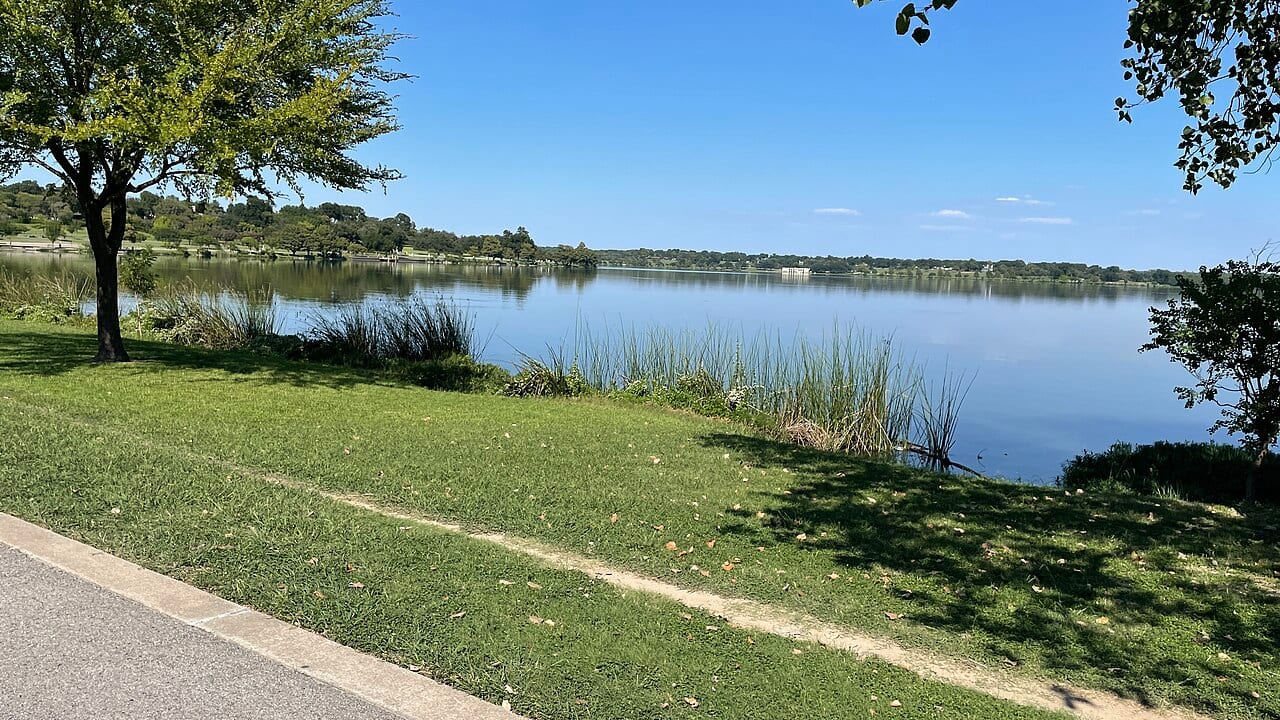
For example, if a group of friends decides to swap their usual vigorous hike for a relaxed evening wander, the tradeoff involves choosing between the visual interest of a rugged trail and the ease of a paved walkway. A rugged trail offers more sensory engagement but may isolate walkers who struggle with balance or pace. A paved path offers stability and ease of conversation but might feel repetitive or uninspiring.
Coordinating the Group Needs
Before setting out, it is helpful to establish the physical expectations of the group. Rather than assuming everyone is comfortable with a certain level of exertion, ask the participants about their preferred distance and the specific conditions they find most enjoyable. Do they prefer shade, or are they looking for an open view? Do they want a route that allows for constant side-by-side talking, or one that permits brief periods of quiet?
Verifying the current status of a chosen route is another vital step. Information regarding trail closures, construction, or seasonal changes can alter a planned route entirely. You might ask a local park authority or a trail maintenance group about any recent updates to the paths you intend to use to ensure the route remains accessible as expected.
Managing the Unpredictable
Even the most carefully planned walk is subject to the whims of the moment. Weather shifts or sudden fatigue can change the energy of a group mid-stride. To prevent frustration, agree upon a signal or a specific time when the group will reassess the plan. Establishing a clear threshold for when to turn back or pivot to a shorter loop allows everyone to feel heard without stalling the momentum of the outing.
By focusing on the collective comfort of the walkers rather than the prestige of the destination, you transform a simple walk into a thoughtful social decision. Success lies in asking the right questions about distance, terrain, and timing before the first step is taken.