A shared itinerary is often the backbone of a successful group outing, yet it frequently relies on the assumption that everyone shares a singular rhythm. When planning a trip, you might find yourself holding two different versions of a day: one description promising an active, high-energy exploration of a park or trail, and another suggesting a more sedentary, observational experience. This discrepancy is not necessarily a mistake in planning, but it is a signal that the group's interests may be pulling in different directions.
The Friction of Divergent Descriptions
The tension often arises when the written plan feels contradictory. You might receive one note suggesting a morning spent walking several miles through a botanical garden, while a second note mentions a leisurely brunch nearby. If you try to force these two descriptions into a single, rigid schedule, you risk a situation where half the group feels rushed and the other half feels restless. The goal is to move away from a single, mandatory track and toward a model of intentional branching.
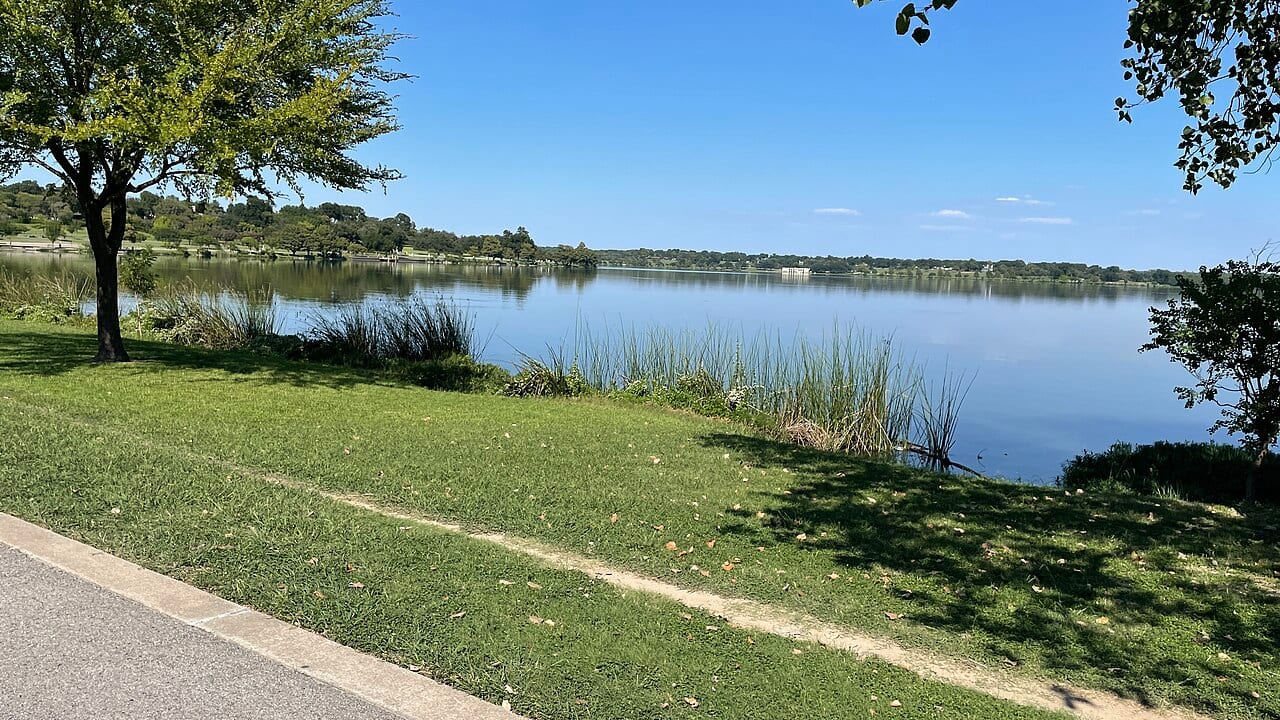
For example, if a group is visiting a large outdoor area, one subset of travelers might want to navigate the more rugged, shaded paths to maximize their time in nature. Simultaneously, another subset might prefer to stay near the central visitor center to enjoy the amenities and views without the physical exertion. The conflict isn't the activity itself, but the expectation that the entire group must perform both activities together.
Balancing Shared Time and Personal Choice
A meaningful tradeoff exists between the cohesion of the group and the satisfaction of the individual. A strictly unified itinerary ensures no one is left out, but it can lead to resentment if the chosen activity does not suit everyone's stamina or curiosity. Conversely, allowing too much freedom can make the group feel fragmented, losing the sense of shared experience that travel is meant to provide.
To manage this, identify the "anchor points" of the day—the meals or specific arrival times where everyone reconvenes. Between these anchors, create an optional branch. This allows the high-energy walkers to pursue their goal while the slower-paced observers enjoy a different, equally valid version of the same location. This structure acknowledges that different people derive value from different intensities of engagement.
The Art of the Handoff
Successful branching requires a clear communication handoff. It is not enough to simply say, "We will split up." You must ensure that everyone knows exactly when and where the paths rejoin. Ask the group organizers how they intend to signal the transition from shared time to individual time. Confirm where the meeting point will be and what time the group will gather again for the next shared event.
When faced with conflicting descriptions, do not attempt to reconcile them into one perfect plan. Instead, ask the organizers if the itinerary allows for a split path. By embracing the branch, you turn a potential logistical headache into a way for every traveler to enjoy the trip on their own terms while still maintaining the social connection of the group.