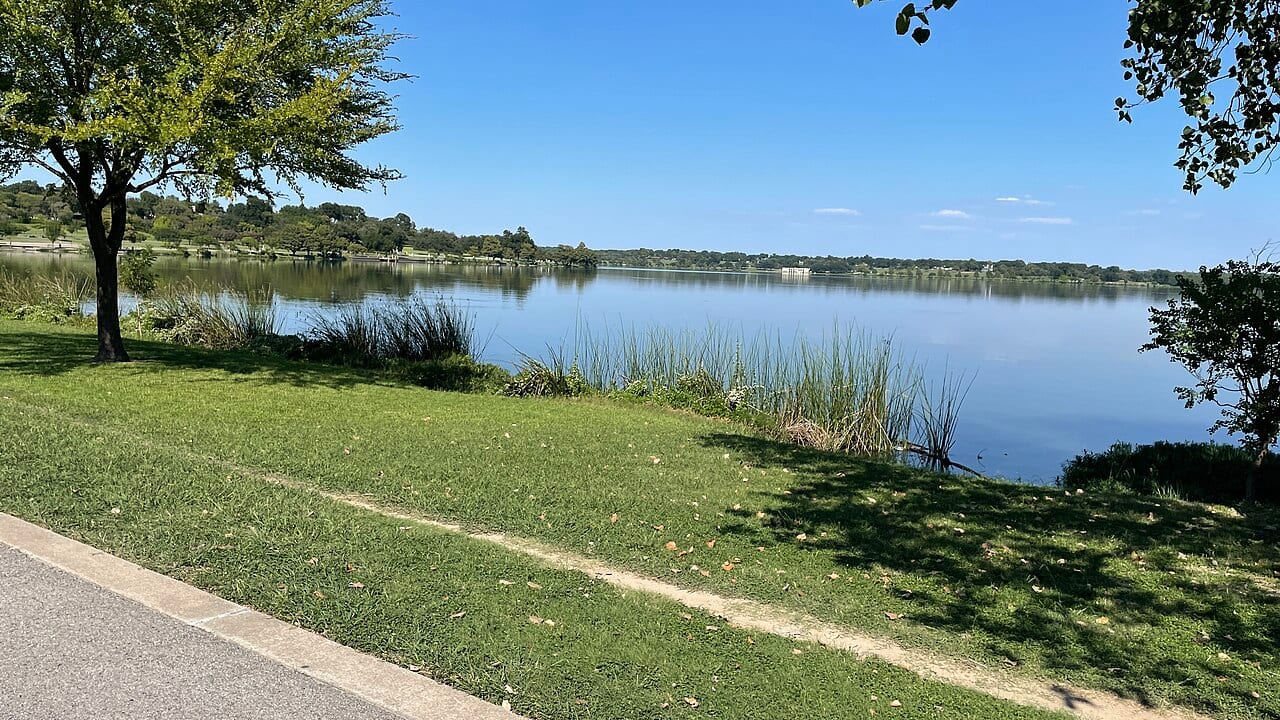
A single destination often provides a singular, compelling reason to travel. Whether it is a specific botanical garden, a historic site, or a specialized museum, the pull is clear. However, the success of the excursion often depends less on the attraction itself and more on how two people navigate the space once they arrive. When one person seeks a rigorous, deep dive into every exhibit and the other prefers a slow, observational stroll, the trip can shift from a shared experience to a series of compromises.
Navigating Divergent Rhythms
The friction in a day trip rarely stems from the destination, but from the tempo. One traveler might arrive with a mental checklist of specific galleries or landmarks to see, viewing the trip as a mission of discovery. Their companion might view the same afternoon as a chance to sit on a bench, watch the light change, or simply exist in a new environment without a schedule. This creates a fundamental tradeoff: do you prioritize the density of the experience or the quality of the relaxation?
For example, if you are visiting a large sculpture park, one person may want to walk every single trail to ensure nothing is missed. The other may find that after thirty minutes of walking, they would rather find a shaded spot and watch the visitors pass by. Attempting to force a unified pace often leaves one person feeling rushed and the other feeling restless. The goal is to decide whether the day is about the checklist or the atmosphere.
Verifying the Logistics
Before setting out, the most practical step is to confirm the current operational details of the site. Information found online can sometimes lag behind real-time changes. Ask the provider about current access requirements or if any specific sections of the site are undergoing maintenance. It is also worth asking how the layout accommodates different levels of activity. Knowing whether there are ample seating areas or if certain paths are more strenuous can help you plan for those moments when your individual paces begin to diverge. Confirming these details ahead of time prevents the frustration of arriving to find a preferred area closed or inaccessible.
The Value of Parallel Play
A successful trip does not require constant, synchronized movement. Instead, consider the concept of intentional autonomy. You can choose to spend an hour exploring separate wings of a facility and then reconvene at a designated meeting point, such as a cafe or a specific landmark. This allows each person to honor their own priorities without the pressure of performing for the other. When you meet back up, the conversation shifts from a shared observation to an exchange of different perspectives, which can often be more engaging than a singular, forced itinerary. This approach acknowledges that being together does not always mean doing the exact same thing at the exact same time.
Deciding on the structure of your outing is the final piece of the puzzle. Rather than debating whether to see everything or see nothing, agree on a central meeting time and a primary goal. By verifying the site's current offerings and accepting that your companion's pace may differ from your own, you turn a potential conflict into a flexible, manageable afternoon. The most rewarding trips are those where both people return feeling they had the space to experience the destination on their own terms.