This is a paid partner contribution. Commercial relationships are disclosed so readers can distinguish sponsored content from editorial guides.
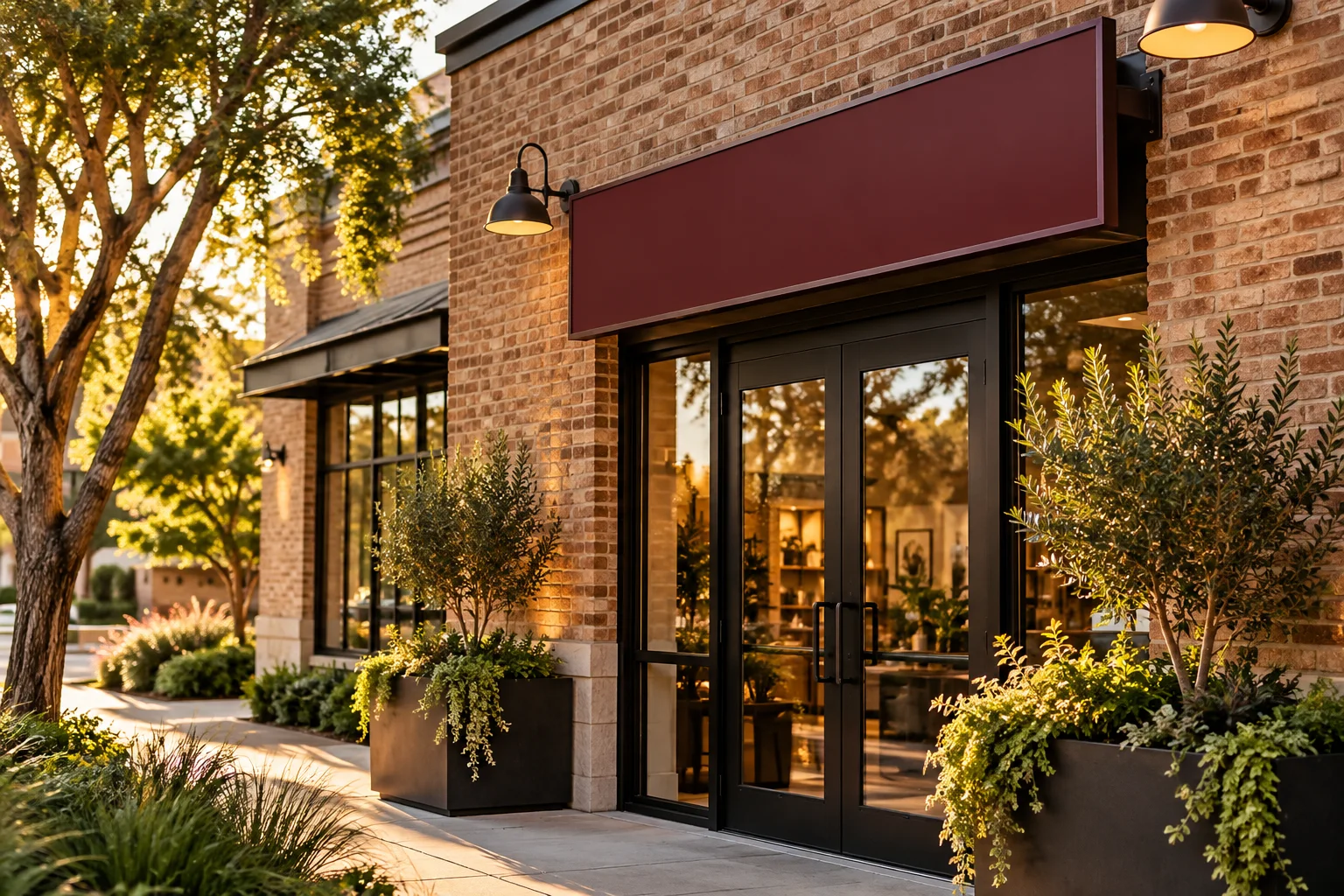
A storefront window or a roadside monument serves as a silent introduction to a business. While the aesthetic direction often begins with color palettes and font choices, the transition from a digital design to a physical object involves a different set of practical considerations. Deciding how a brand occupies a physical space requires balancing visual impact with the specific constraints of a building or a lot.
The Scale of Visibility
When considering new signage, the primary decision often involves the relationship between the size of the display and the distance from which it must be read. A small, elegant decal on a glass door communicates a different message than a large, illuminated structure near a street corner. One offers intimacy and detail, while the other offers presence and direction.
For example, if a new boutique opens in a crowded shopping center, the owner might face a choice between a high-contrast window graphic that catches the eye of pedestrians or a larger, mounted sign designed for passing motorists. The former provides detail for those already close to the entrance, while the latter aims to pull people in from a distance. This choice involves weighing the cost of larger materials against the specific flow of foot and vehicle traffic in the immediate area.
Site Specifics and Placement
The physical environment dictates much of what is possible. Surfaces vary in texture, material, and durability, which in turn affects how a design can be applied. A smooth glass pane offers different opportunities than a brick facade or a wooden post. Beyond the material itself, the location of the sign relative to shadows, lighting, and existing obstructions plays a role in how the final product appears throughout the day.
Before committing to a design, it is helpful to observe the space at different times. Ask a sign company dallas how the chosen materials will react to the local sun exposure or evening light. You might also inquire about the specific mounting methods required for your building's exterior to ensure the chosen placement is viable.
Coordinating the Final Setup
Once the design and materials are selected, the focus shifts to how the item is actually secured to the property. The process of moving from a delivered product to a finished installation involves technical steps that depend on the weight of the sign and the structure of the mounting surface.
To prepare for this stage, gather all relevant site measurements and photos of the intended location. When discussing sign installation dallas, ask the provider what specific tools or access equipment they will bring to the site. It is also useful to ask who will be responsible for the final placement and what the process looks like if the initial positioning requires adjustment. Having these details clarified early helps ensure that the physical presence of the business aligns with the original vision for the space.


