This is a paid partner contribution. Commercial relationships are disclosed so readers can distinguish sponsored content from editorial guides.
A stack of fabric swatches, a folder of magazine clippings, and a mental list of rooms to transform are often the starting points for a home project. However, the transition from a vague idea to a concrete plan begins with the first conversation with a designer. Moving from the inspiration phase to the execution phase involves shifting your focus from what you like to how those preferences function within your specific living space.
Gathering Your Context
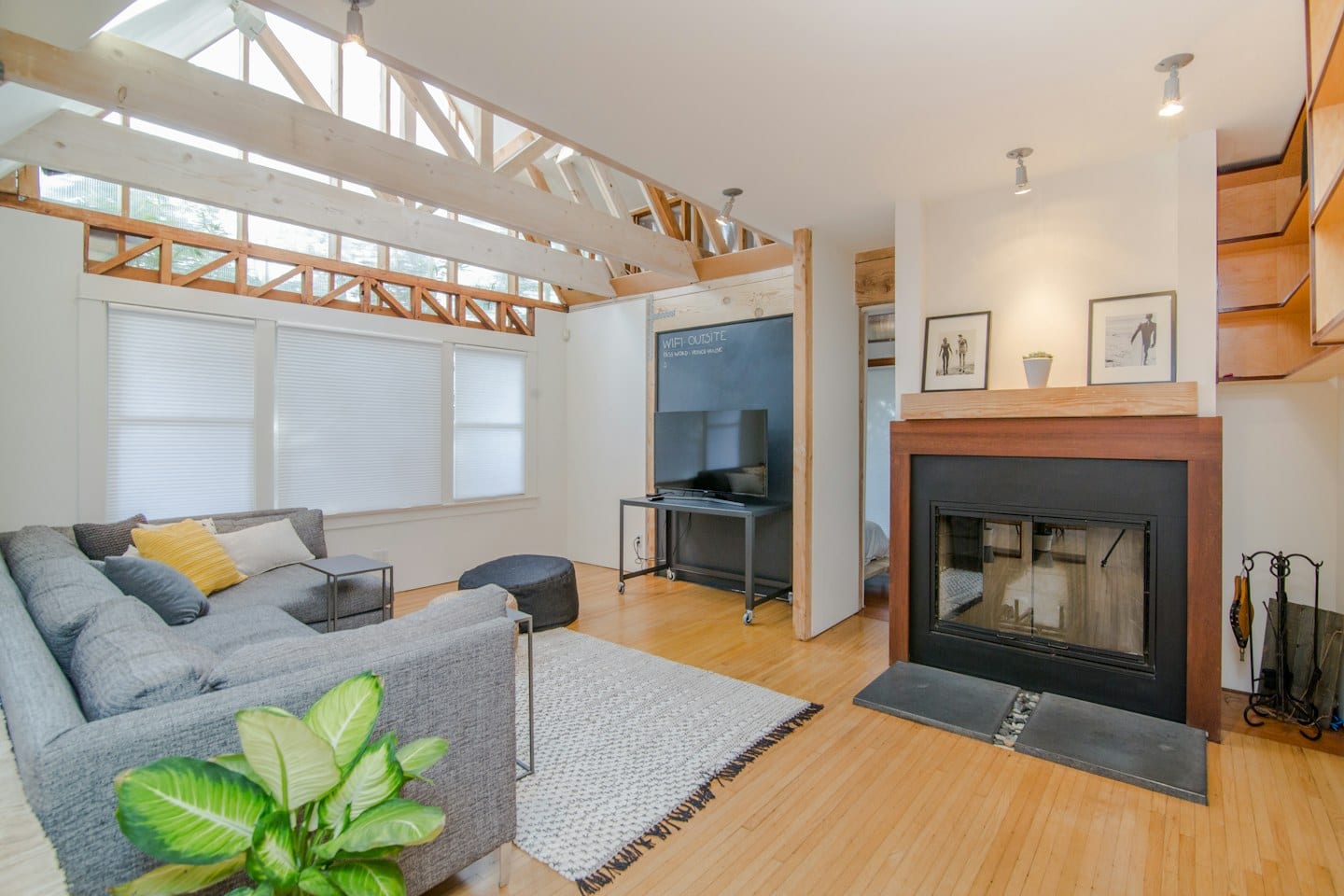
Before the first meeting, look closely at the rooms you intend to change. Rather than focusing solely on aesthetics, observe how you actually move through your home. Consider the daily habits that dictate how a space feels. Do you host large groups for dinner, or is your priority a quiet reading nook? Does the afternoon light in your living room change how you might use the furniture? Documenting these observations provides a foundation for a more productive discussion.
For example, if you are looking to update a kitchen, consider not just the color of the cabinets, but the flow of movement between the sink and the stove. If you find yourself constantly bumping into a specific corner, that is a detail worth noting. Bringing a list of these functional observations helps translate a visual preference into a spatial solution.
Defining the Scope
One of the most significant choices you will make is deciding the depth of involvement you require. Some projects involve selecting a single piece of art, while others require a comprehensive overhaul of every surface and fixture. This choice dictates the nature of your partnership and the type of expertise you will utilize. If you are seeking full service interior design dallas, your conversation will likely center on a much broader range of coordination and management.
Think about the tradeoff between autonomy and oversight. Choosing a more hands-on approach might mean you are involved in every minor decision, whereas a broader service model might shift more of the logistical coordination to the professional. Ask the designer how they approach these different levels of involvement and what their role entails during each stage of the project.
Asking the Right Questions
A consultation is a two-way exchange. To ensure the partnership aligns with your expectations, prepare specific questions regarding the process. Instead of asking if a project will be successful, ask how they handle changes to the plan once work has begun. Ask how they communicate progress and how they manage the various moving parts of a project.
It is also helpful to ask about the practicalities of their workflow. Ask how they handle the selection and delivery of items, and what their preferred method of documentation is for decisions made during meetings. Having a clear understanding of these procedural details allows you to enter the room with a sense of direction, turning a simple introduction into a meaningful step toward your finished home.