This is a paid partner contribution. Commercial relationships are disclosed so readers can distinguish sponsored content from editorial guides.
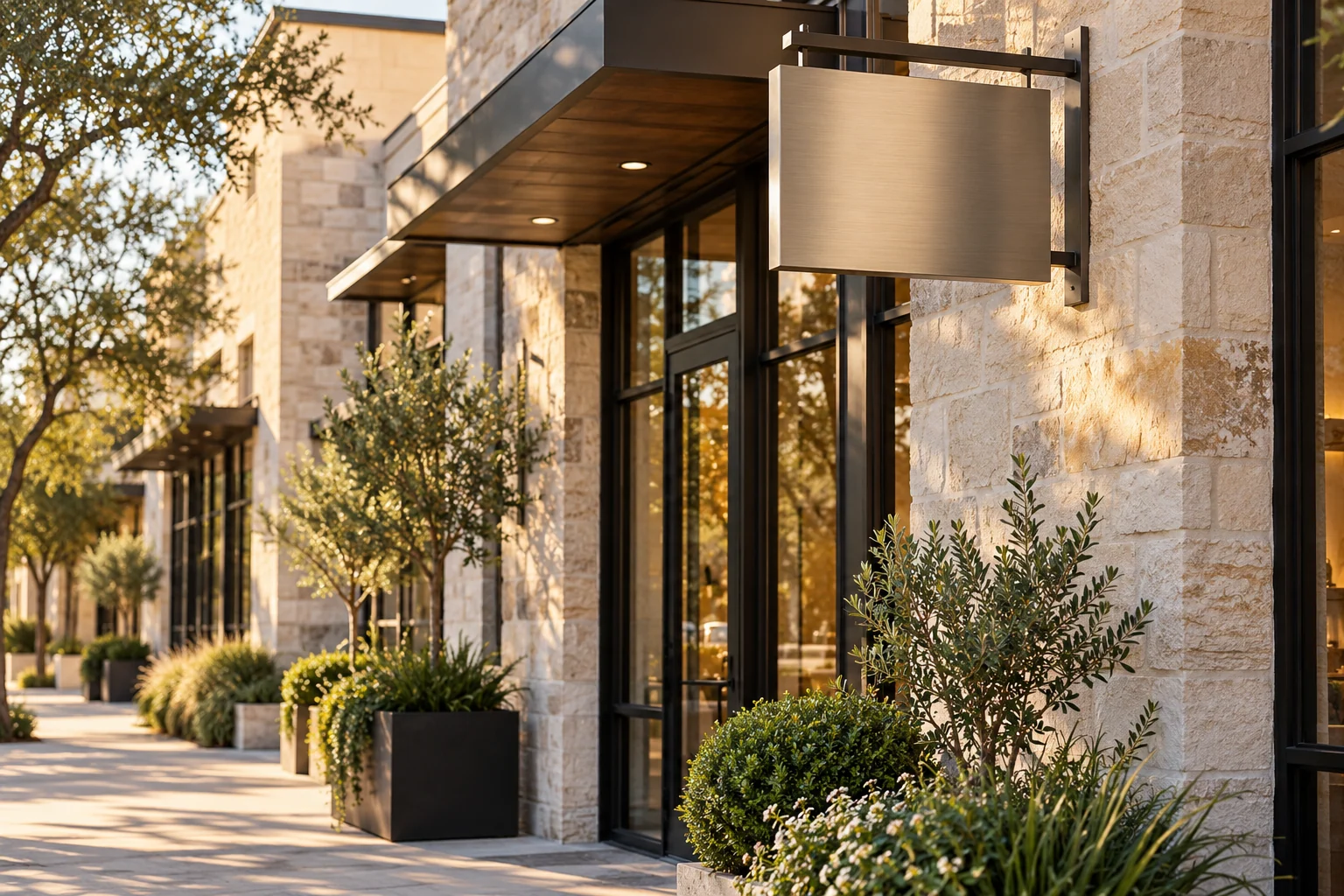
A new sign often begins as a simple idea: a logo on a wall, a directional arrow in a hallway, or a vibrant backdrop for a gathering. However, the transition from a digital file to a physical object involves a series of spatial decisions. The texture of your exterior masonry, the height of your storefront ceiling, and the ambient light in a lobby all influence how a design appears in person.
When you sit down to discuss your project, consider how the environment interacts with the material. For example, if you are planning for a temporary setup, you might weigh the visual impact of high-gloss finishes against the practicality of matte surfaces that do not reflect harsh overhead lights. This tradeoff between aesthetic brilliance and functional visibility is a central part of the planning process.
Navigating local requirements
Beyond the visual design, the physical placement of signage is often tied to local standards. A sign that looks perfect on a computer screen may encounter obstacles when it comes to its actual installation site. It is helpful to address these logistical details before any production begins to ensure the design aligns with what is possible for your specific location.
You might ask a professional about the specific steps required for your area. You can find more information regarding sign permits Dallas through their service pages. Ask which details the local authorities require and who handles the coordination of those necessary approvals.
Preparing for specific occasions
Signage needs change depending on whether you are establishing a permanent brand presence or hosting a one-time function. A heavy, illuminated sign mounted to a building carries a different set of considerations than the lightweight, modular pieces used for a trade show or a seasonal promotion. For instance, if you are organizing a corporate gala, you may need to decide between large-scale event displays that command attention and smaller, subtle markers that guide guests through a venue.
Imagine you are preparing for a grand opening. You may have to choose between a permanent sign that serves your business for years and temporary banners that create immediate excitement. Ask how the durability of different materials matches the intended lifespan of your display, and inquire about the installation methods for each option.
Refining your project brief
The most effective way to approach a consultation is to arrive with a clear set of observations about your space. Instead of asking if a sign will look good, ask how the specific dimensions of your wall or the brightness of your lighting will affect the chosen materials. Gather your measurements, your preferred color palettes, and your timeline before the first meeting.
By asking questions about material compatibility, installation logistics, and local site requirements, you move the conversation from a vague concept to a concrete plan. This preparation allows you to focus on the creative elements of your project while ensuring the practical details are addressed early in the process.


