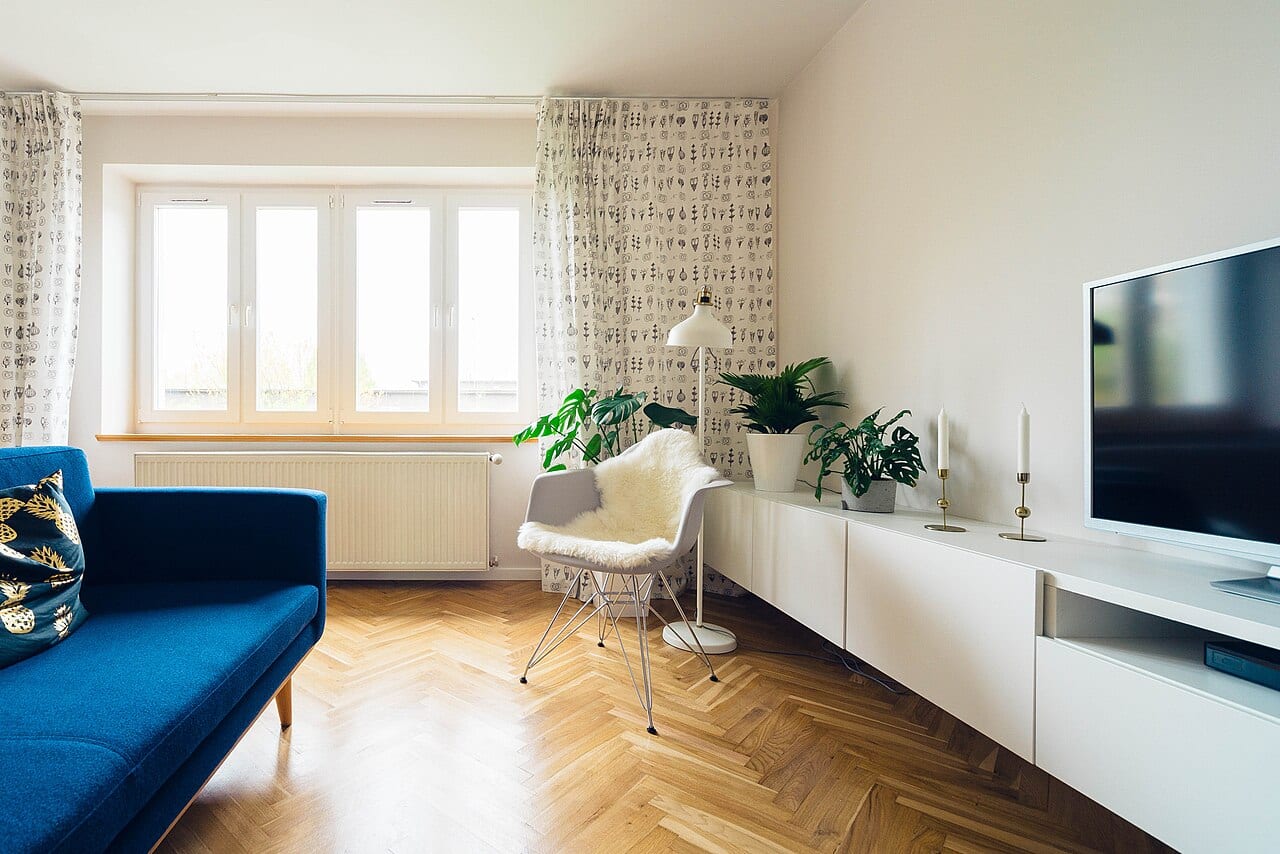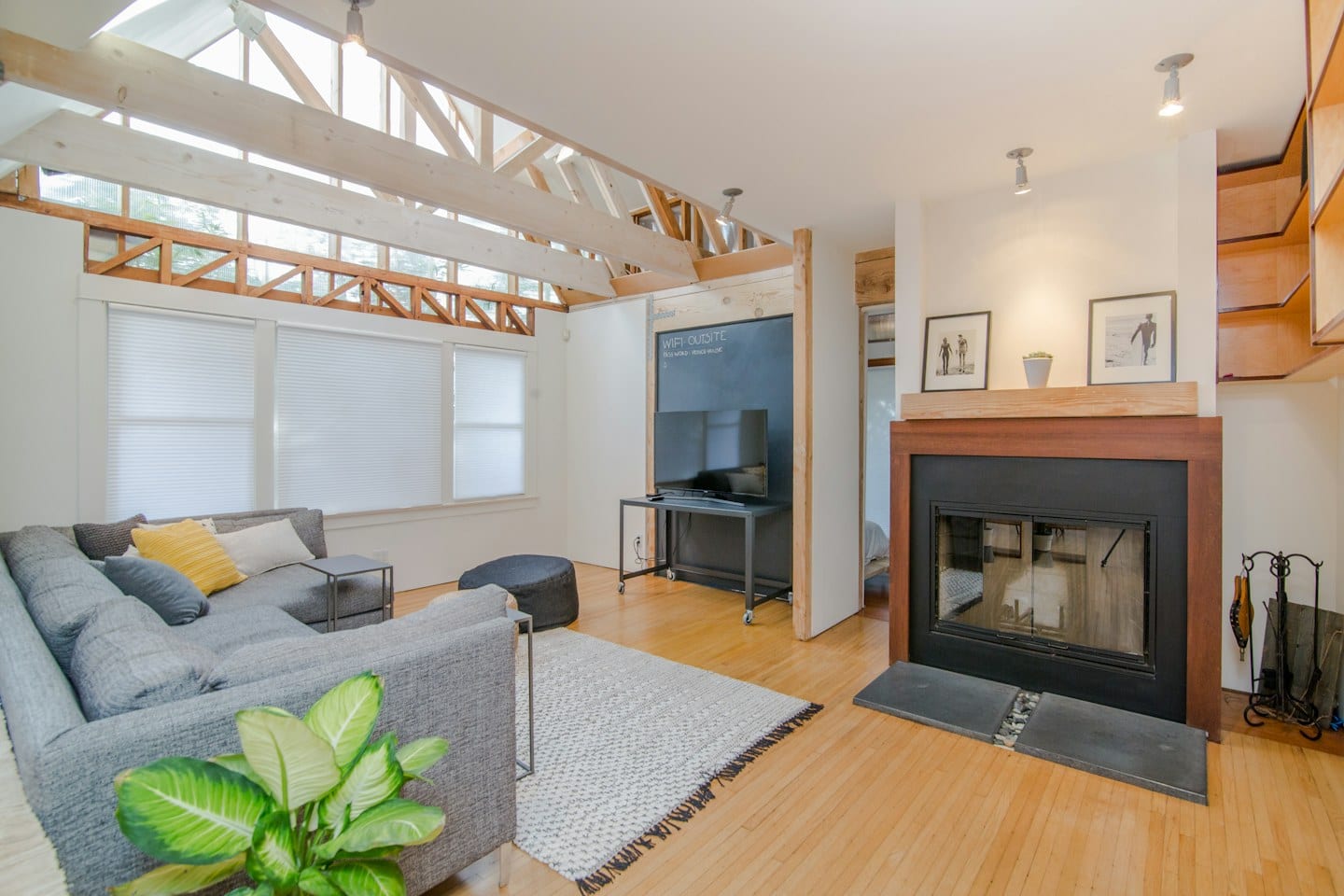
A consultation begins the moment you open your front door. Whether you are looking at structural adjustments or aesthetic updates, the quality of the conversation depends heavily on how much you have clarified for yourself before the appointment arrives. The most effective way to approach a professional is to enter the room with a clear distinction between what you have already decided and what you are still weighing.
Defining the shift in routine
Many homeowners approach a consultation because they have a new goal, such as adding a room or replacing a floor. However, some of the most meaningful changes stem from a simple shift in how you use your current space. When your daily habits change, your environment may suddenly feel misaligned with your needs.
For example, if you have transitioned from a high-energy household to one where you work remotely several days a week, your requirements for light, sound, and spatial flow will change. You are not necessarily looking to expand the footprint of your house, but you are looking to reconfigure how the existing footprint serves your new schedule. Recognizing that the driver is a change in routine rather than a change in the house's purpose allows you to communicate much more precisely about what you actually require.
Gathering visual evidence
Words can be imprecise when describing how a space feels or where it fails. To bridge this gap, gather a collection of photographs that document the specific areas of concern. Rather than just taking wide shots of a room, take close-ups of the specific corners, junctions, or lighting conditions that cause friction in your daily life.
If a particular area feels cramped during your morning routine, or if a certain room lacks the necessary utility for your new afternoon habits, a photo provides a concrete reference point. Having these images ready prevents the consultation from becoming a vague tour and instead turns it into a targeted review of documented observations.
Navigating the trade-offs
Every professional recommendation involves a series of choices. You may find yourself choosing between a solution that offers immediate visual impact and one that addresses long-term functional utility. For instance, you might weigh the benefit of a layout that maximizes floor space against a layout that provides better acoustic separation for your new workspace.
Ask the professional how their specific recommendation addresses the changes in your daily patterns. Rather than accepting a standard solution, ask how the proposed work accounts for the specific ways your routine has evolved. This ensures the advice is tailored to your actual life rather than a generic template.
Securing a written summary
The conclusion of a meeting should not be a handshake and a memory. To ensure everyone is aligned, agree on a written recap of the discussion. This document should outline the points you have already decided upon and the specific uncertainties that remain. Ask the professional to provide a summary of the discussed options and any follow-up questions they need you to answer. This written record serves as the foundation for your next decision, ensuring that no nuance of your new routine is lost in translation.