This is a paid partner contribution. Commercial relationships are disclosed so readers can distinguish sponsored content from editorial guides.
A new storefront sign or a digital display often marks a shift in how a business presents itself to the street. Rather than making an immediate purchase, viewing signage as a seasonal or annual project allows for a more deliberate selection process. Preparing for these updates requires gathering specific details about your location and your communication goals well before you begin the installation process.
Organizing your visual goals
The first step in planning involves looking at how people currently interact with your space. Consider whether you need to catch the eye of a driver passing at high speeds or a pedestrian walking along a sidewalk. This distinction changes the scale and brightness of what you might eventually choose. You might decide between a permanent physical fixture and a more fluid digital option. For example, if you run a boutique that changes its seasonal inventory frequently, you may weigh the permanence of a traditional sign against the flexibility of comprehensive digital sign packages with content management. This choice involves a tradeoff between the simplicity of a static design and the ability to update information instantly.
Assessing the physical space
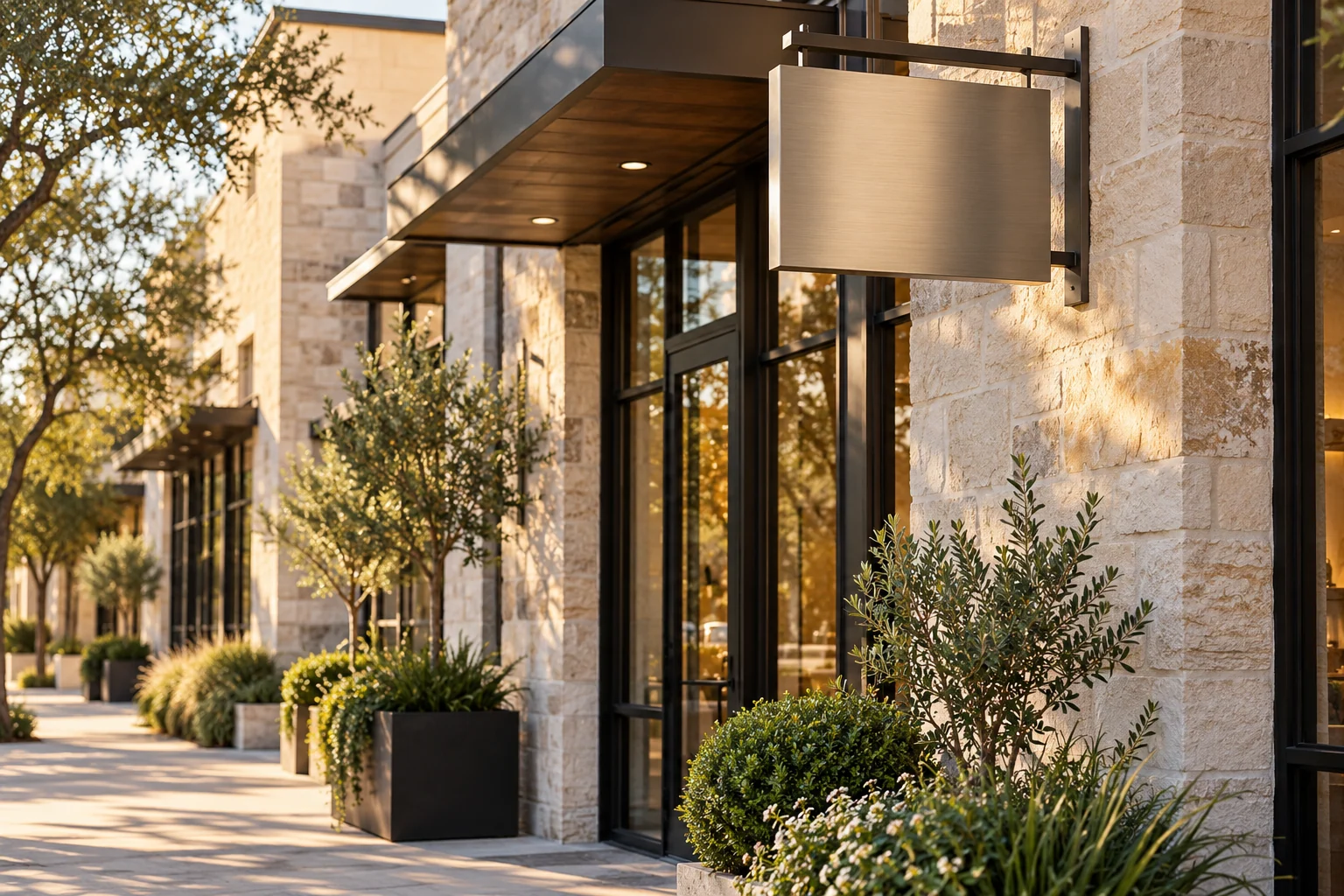
Before selecting a design, you must understand the physical constraints of your building. The texture of the wall, the available electrical access, and the height of the mounting area all dictate what is possible. To avoid surprises during the installation phase, ask a professional about a site survey before you order a storefront sign. Understanding the physical landscape of your property helps you narrow down your options before you start looking at specific colors or fonts. You may want to document the current condition of your exterior surfaces and note any existing signage that will need to be removed or integrated into the new look.
Formulating your inquiries
When you move from the planning stage to the consultation stage, the quality of your information will determine the clarity of the responses you receive. Instead of asking for general estimates, prepare a list of specific questions tailored to your site. You might ask how a particular material handles the local sun exposure or how much maintenance a specific lighting style requires. If you are considering digital elements, ask how the content updates are managed and what the hardware requirements are for your specific location. Asking who would handle the installation and what that arrangement includes ensures you understand the full scope of the project.
By documenting your site dimensions, your intended audience, and your preferred update frequency now, you turn a sudden expense into a structured business decision. When you are ready to move forward, you will have the records necessary to compare different approaches effectively.


