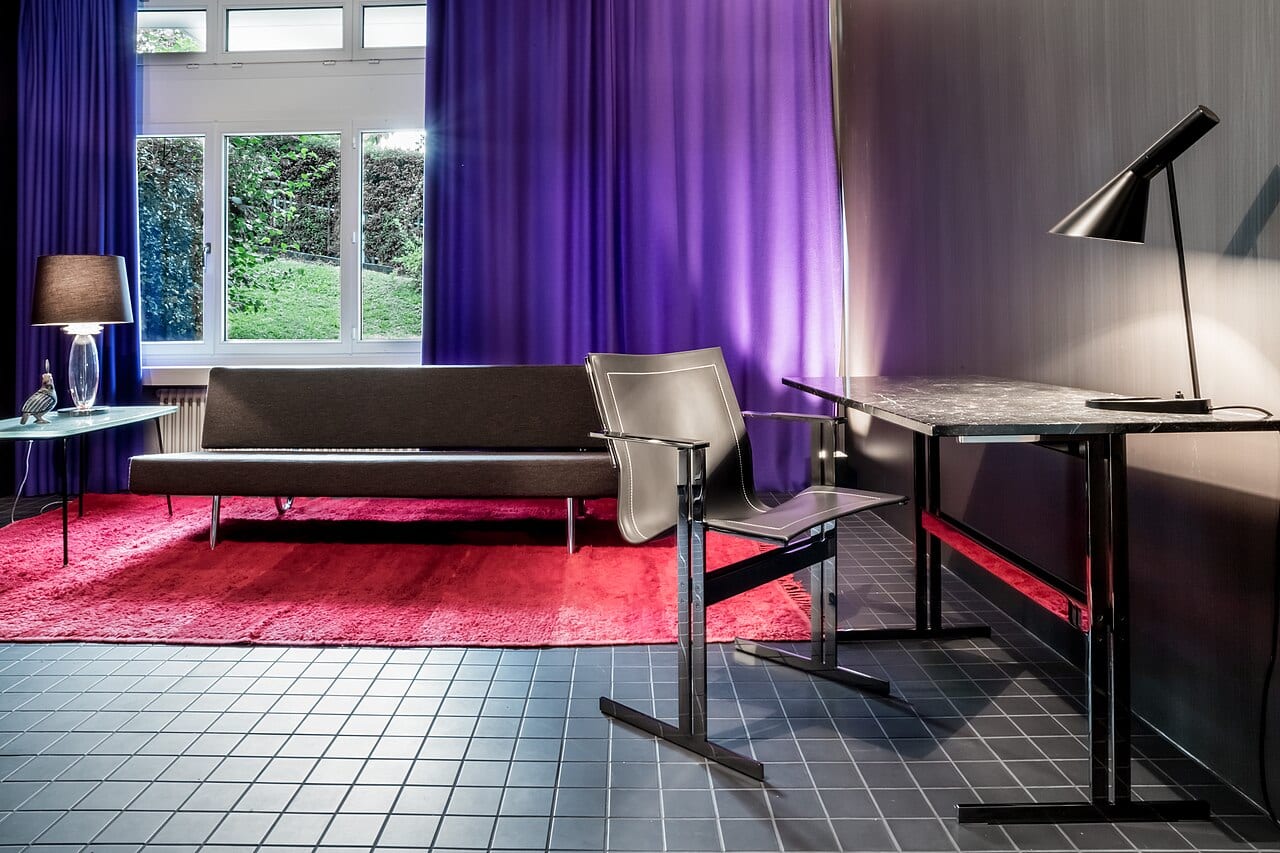
A desk in a spare bedroom or a corner of the dining room may seem like a simple substitution for a corporate suite, but a change in routine often necessitates a change in how a home functions. For many professionals, the transition from a dedicated office building to a home environment is not about changing a long-term career goal, but rather about managing the immediate shift in daily rhythm and physical requirements. This transition requires a deliberate look at how your environment supports your new schedule.
The Geometry of Productivity
The most immediate observation in a home-based setup is the interplay between professional focus and domestic activity. In a traditional office, the environment is curated for a single purpose. At home, the boundaries are fluid. A workspace that works well for two hours of quiet reading may fail during a day of back-to-back video calls or when the household's natural noise levels rise. The tradeoff involves balancing the convenience of being near home comforts against the need for a controlled environment that signals the start and end of the workday.
For example, if you decide to convert a sunlit guest room into a permanent office, you must consider how the midday light affects your screen visibility and how the room's acoustics handle your voice. A space that feels airy and bright might lack the sound dampening required for professional privacy, whereas a smaller, enclosed space might feel restrictive over long durations. Evaluating these sensory details helps prevent the workspace from becoming a source of distraction.
Managing the Infrastructure Shift
Beyond the furniture, a change in routine impacts the underlying systems of a house. When a residence becomes a primary place of business, the patterns of energy use, internet demand, and even foot traffic shift. The sudden increase in digital bandwidth requirements or the need for reliable power during peak hours can strain a domestic setup that was originally designed for leisure and light browsing. Observing these shifts early allows for adjustments before they interrupt a scheduled meeting or a deadline.
Ask a technical specialist how your current connectivity and electrical capacity might respond to a full-time professional load. You might also inquire about the implications of your specific home setup on your existing service arrangements or local requirements for home-based activities. Understanding these technical thresholds is essential for maintaining a seamless transition between your personal and professional lives.
Evaluating the Long-Term Setup
Deciding how to formalize a home office requires weighing immediate comfort against future flexibility. Some choose to invest in modular pieces that can be moved easily, while others opt for built-in solutions that define the space more clearly. As you evaluate your options, consider whether your current routine is a permanent fixture or a temporary adjustment. If the change is lasting, ask a professional about the most effective ways to integrate a dedicated workspace into your existing floor plan without compromising the home's primary function.
The final decision rests on how well your physical surroundings mirror your new daily habits. By observing how your energy, focus, and connectivity fluctuate throughout the day, you can make informed choices about your space. Prioritize the elements that directly impact your ability to remain engaged with your work, ensuring that your home remains a functional place for both professional output and personal rest.


