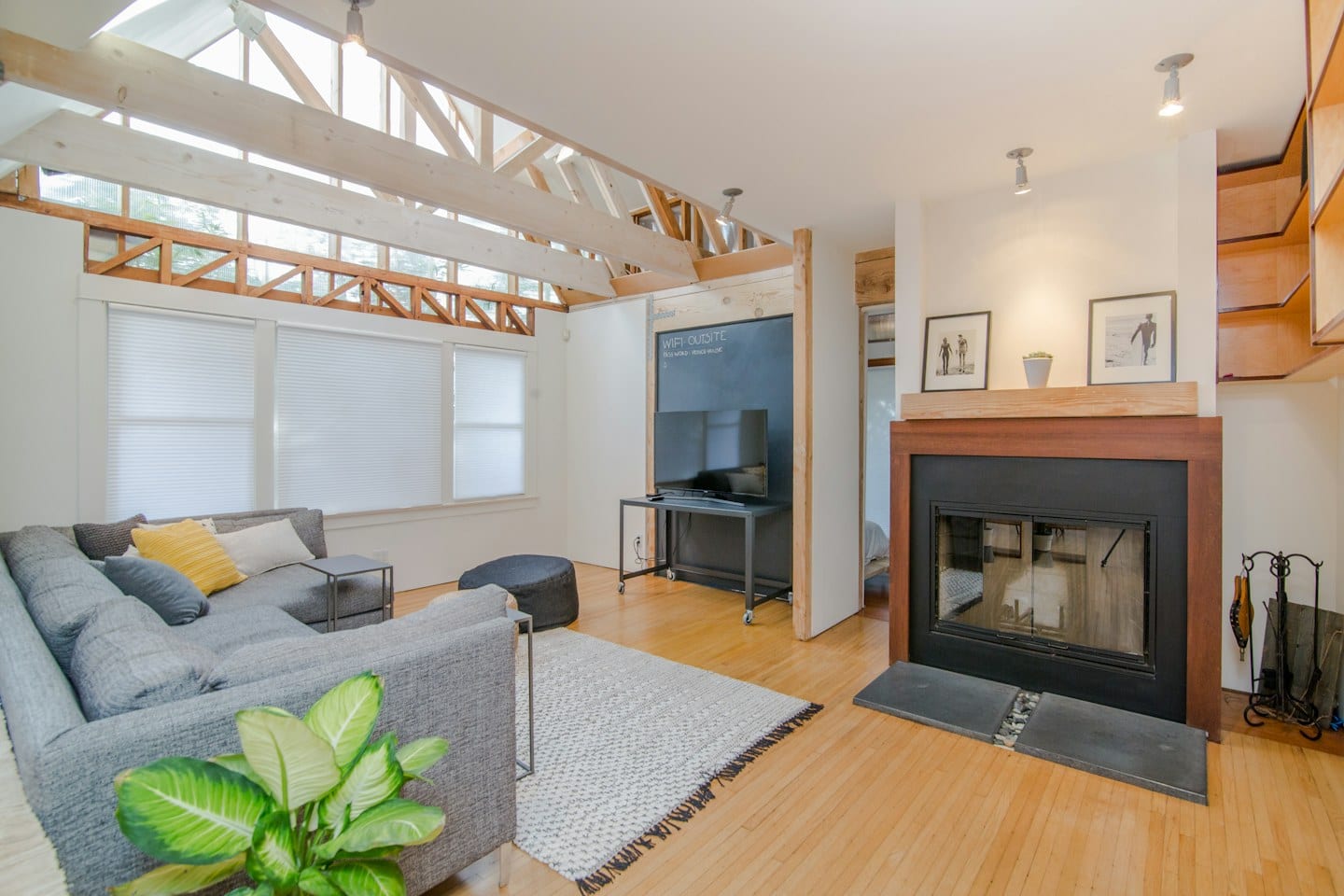
A renovation project often begins with a vision of a transformed space, but the reality is a period of shared living within a construction zone. For those residing in Dallas homes, the transition from a quiet residence to an active worksite involves more than just dust; it requires a coordinated strategy for daily movement and personal habits.
Balancing Differing Household Needs
Deciding how to live through a project is rarely a singular decision, especially when two people in the house hold different priorities. For example, if one partner prioritizes maintaining a strict remote work schedule requiring absolute silence, while the other prioritizes the ability to use the kitchen for meal preparation despite the noise, a conflict of interest emerges. One person may view the project as a temporary inconvenience to be endured, while the other views it as a fundamental shift in their ability to function at home.
To resolve these tensions, observe how your daily rhythms clash with the projected phases of work. Consider whether your shared meals, sleep schedules, or professional obligations can coexist with the presence of tools and transit. Identifying these friction points early allows for a more structured approach to the renovation timeline.
Managing Access and Belongings
The physical footprint of a project extends beyond the immediate work area. Every doorway, hallway, and storage nook becomes a potential bottleneck. Before work commences, evaluate which items must be moved to prevent damage or obstruction and which areas must remain accessible for the crew. Moving a heavy dining table might seem simple, but it may also remove your only functional surface for a week.
Think about the logistics of your belongings. If a bedroom is being repurposed for storage, where will the displaced clothing and personal items live? If the primary bathroom is out of commission, how will guests or residents manage hygiene? Mapping out these physical shifts helps prevent the feeling of being crowded out of your own home.
Questions for Your Contractor
A successful project relies on clear communication regarding the boundaries of the workspace and the impact on your lifestyle. Rather than assuming how the site will be managed, ask specific questions to clarify the daily experience. You might ask the contractor how they intend to manage the movement of materials through the house and which specific paths will be used.
Inquire about the expected noise levels during certain hours and whether there are windows of time when the house might be more tranquil. Ask how they plan to secure the work area at the end of each day to ensure the safety of your pets or children. Finally, ask what the protocol is if a specific area becomes unexpectedly unusable, and how they will communicate those changes to you. Addressing these practicalities ensures that both residents can plan their lives around the construction, rather than simply reacting to it.