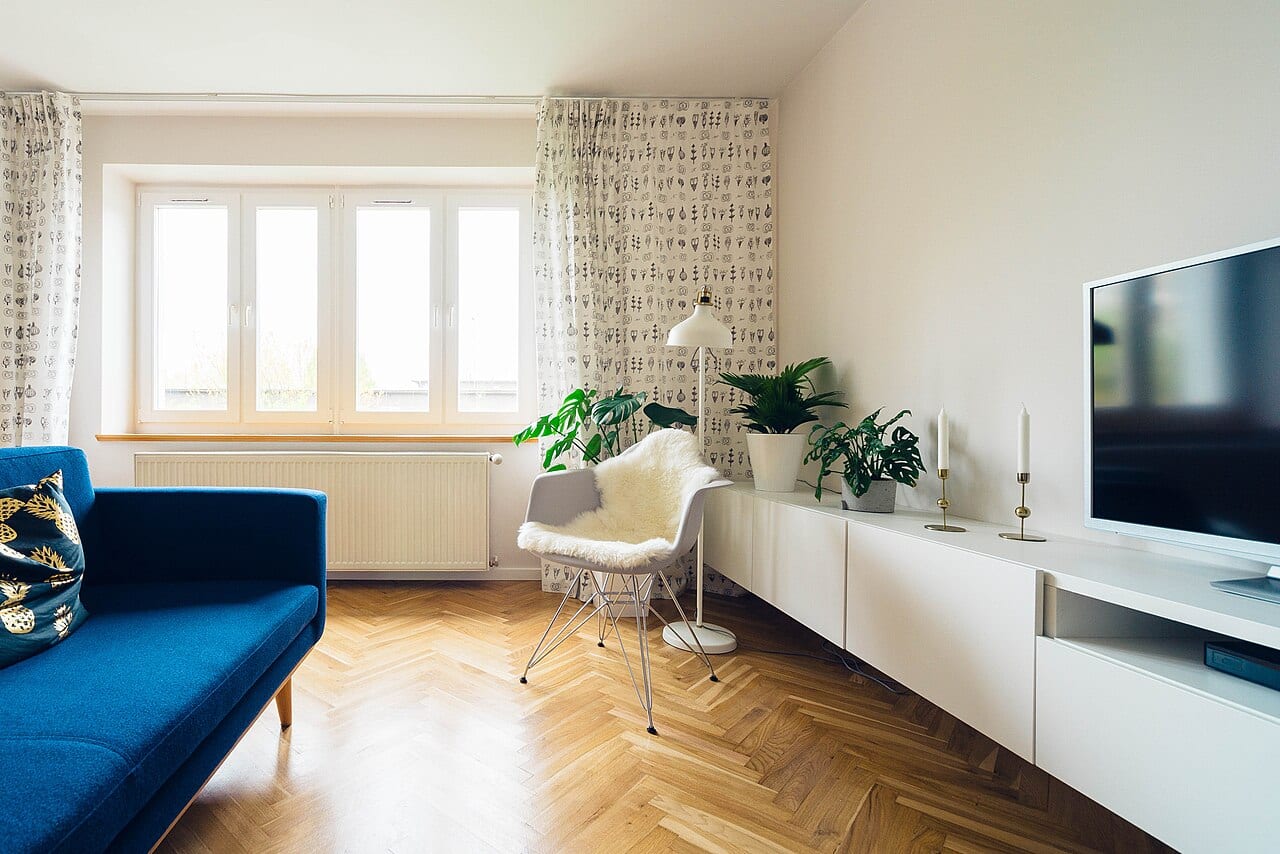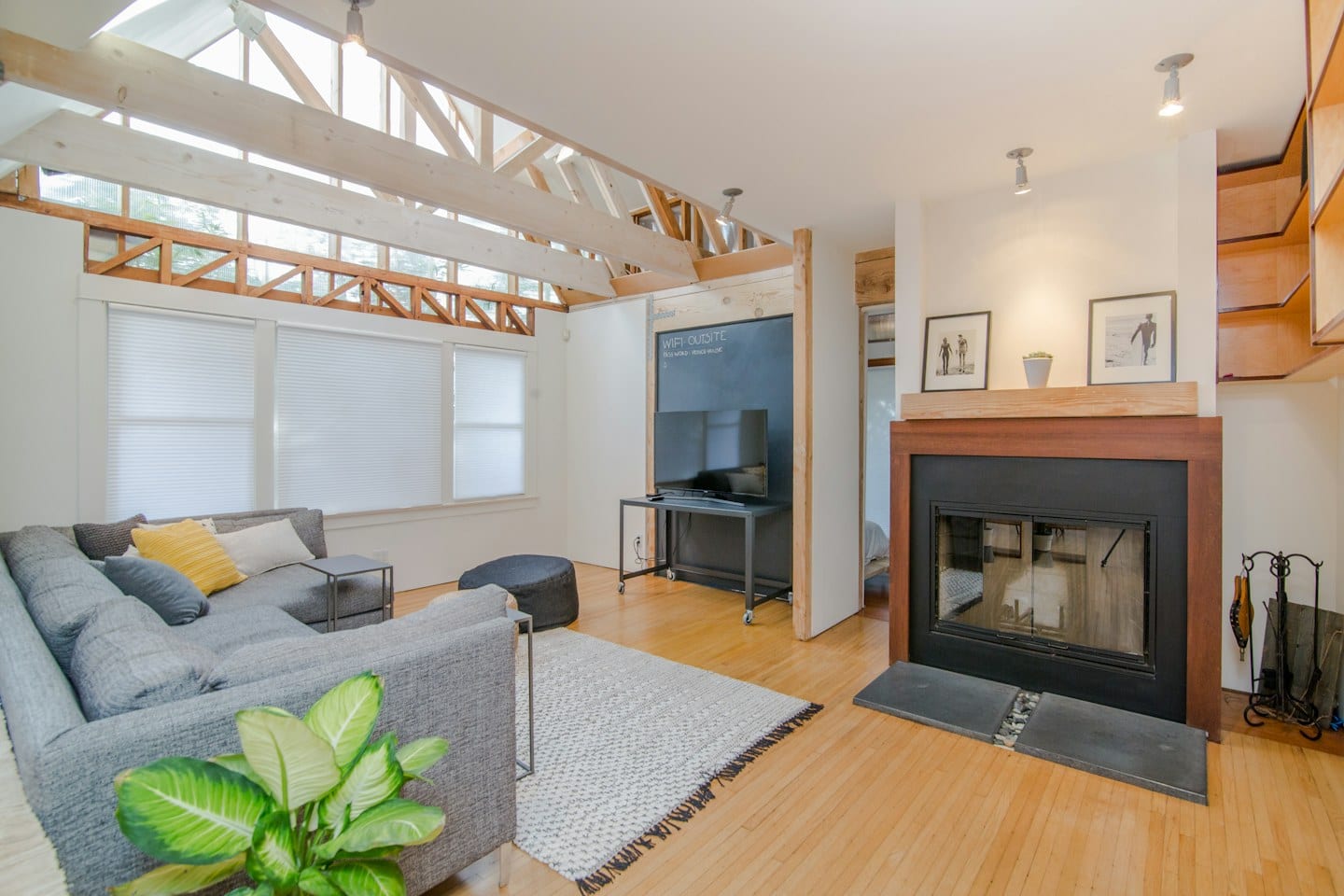
A new rug can anchor a room, but its placement is a physical commitment. When you are working with a space that feels pre-determined—perhaps because you have inherited an unfinished floor plan or a specific arrangement of heavy furniture from a previous owner—the challenge is not just about color or texture. It is about how the fabric interacts with the existing geometry of your life.
The Paper Blueprint
Before committing to a purchase, consider using a temporary physical marker to visualize the scale. You can use painter's tape or even large sheets of kraft paper to mimic the dimensions of a potential rug. This allows you to see the footprint without the weight of a heavy textile. Unlike a digital mockup, a physical outline occupies the actual floor, forcing you to confront the reality of the room's dimensions.
Lay your outlines down and observe how they interact with the legs of your sofa, the edges of your coffee table, or the base of a floor lamp. This step reveals whether a rug will feel like a cohesive island or a small, floating island that disrupts the visual flow of the room.
Navigating the Footpaths
A rug is more than a visual element; it is a surface you walk upon. When you place your paper outlines, pay close attention to the natural walking routes through the room. A rug that extends too far into a primary walkway might create a subtle trip hazard or feel awkward underfoot as you move from the doorway to the seating area.
For example, if you have inherited a room where the armchair is positioned at a specific angle to the fireplace, a large rug might overlap with the path you take to reach the bookshelf. By walking around your paper outlines, you can sense if the boundaries feel intrusive or if they provide a comfortable, stable surface for your daily transit.
The Tradeoff of Scale
Every rug choice involves a tradeoff between coverage and floor visibility. A larger rug can make a room feel more unified, but it may also swallow up the character of your hardwood or tile. A smaller rug can highlight specific furniture groupings, but it might make the seating area feel disconnected from the rest of the space.
Imagine you are deciding between a rug that sits entirely under the front legs of your sofa or one that extends out beneath the entire seating arrangement. The former leaves more of the original floor visible, which might feel lighter, while the latter provides a more expansive, cushioned zone. Use your paper outlines to test which version respects the inherited layout while meeting your personal comfort levels.
Once you have tested several sizes with tape or paper, you will have a clearer sense of the room's rhythm. Decide on the dimensions that best accommodate your movement and your furniture, then use those measurements to guide your final selection.