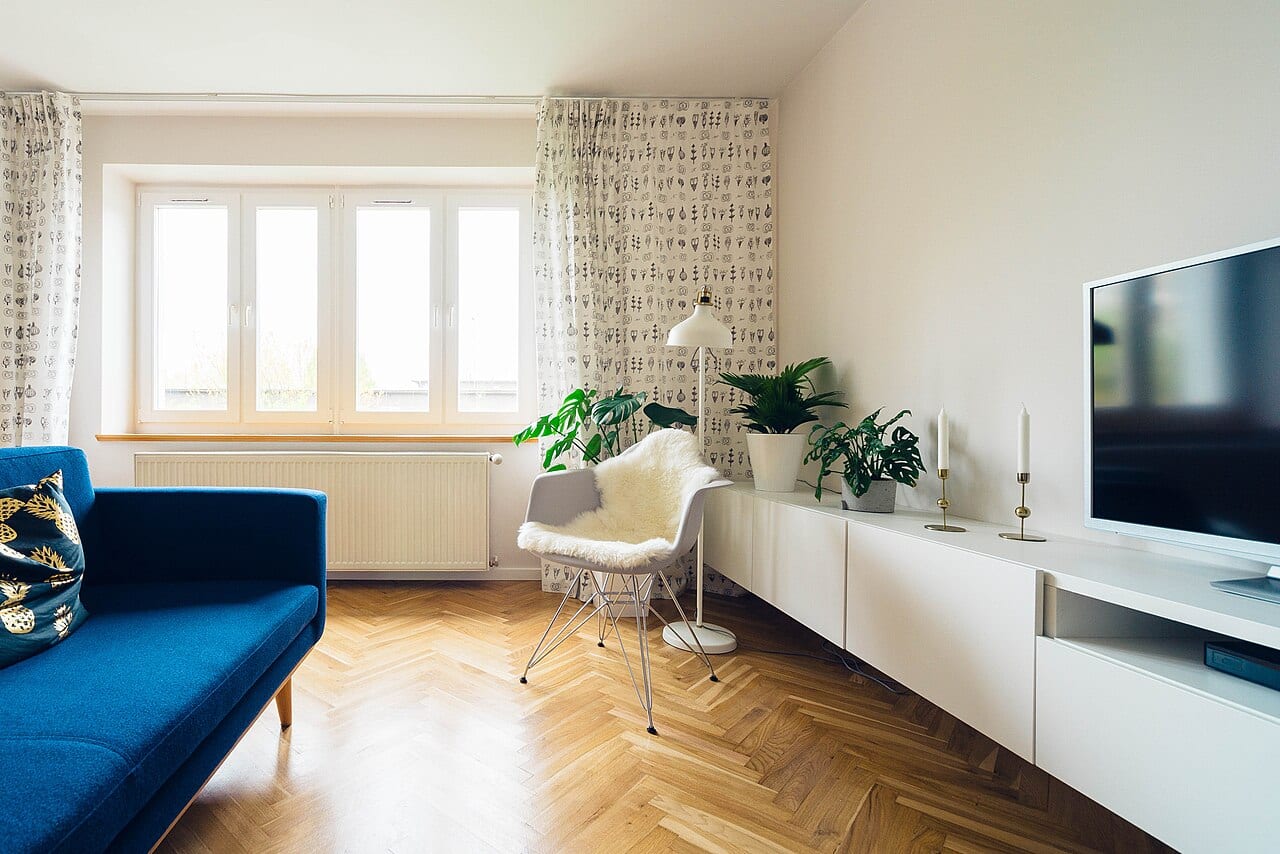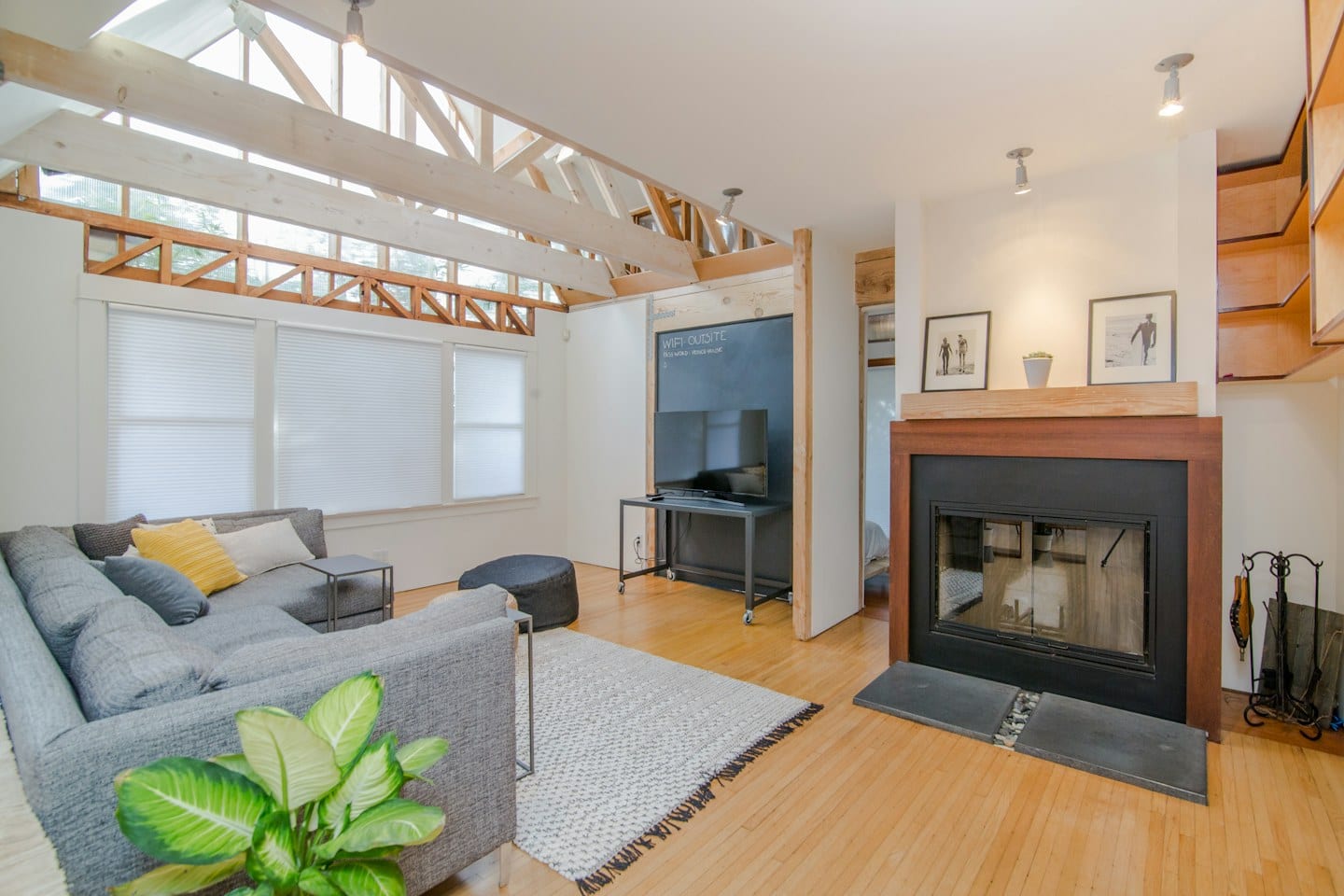
A favorite reading chair or a dedicated desk is often chosen based on a specific slice of the day. You might have picked a sun-drenched corner because it was the perfect spot for a slow morning coffee, or a secluded nook because it offered silence during standard business hours. However, when your routine shifts, the very qualities that made a space attractive can become distractions.
The impact of a new rhythm
A change in routine often means a change in the sensory environment of your home. If you previously used a specific area for focused work during the quiet mid-morning hours, but now find yourself needing that space for evening relaxation or early morning reading, the ambient noise of the household changes. The hum of a dishwasher, the arrival of neighbors, or the shift in light patterns can alter how a space feels.
For example, if you transition from a remote schedule to a more varied routine that requires concentration during the late afternoon, you might find that the sunlight hitting your desk creates a glare that makes reading difficult, or that the neighborhood activity increases just as you are trying to settle in. The goal remains the same—finding a place to rest or focus—but the timing makes the old location feel mismatched.
Testing the movable setup
Before committing to a permanent relocation of furniture or a structural change to a room, consider the utility of a movable arrangement. Instead of deciding that a corner is permanently unsuitable, try bringing your essential items—a lamp, a small table, or a specific chair—to a different part of the house for a few days. This allows you to observe how different zones interact with your new schedule without a heavy investment in new decor.
Observe the interruptions that occur in each potential spot. Does a new location place you too close to high-traffic areas like the kitchen or the entryway? Does the light in the new spot serve your eyes during the specific hours you are now active? A movable setup reveals whether the issue is the furniture itself or the relationship between the furniture and the clock.
Evaluating the trade-offs
Every choice involves a trade-off between convenience and atmosphere. A corner located in a central living area might offer easy access to refreshments and comfort, but it may lack the seclusion required for deep focus. Conversely, a room at the far end of a hallway might offer total stillness, but it could feel isolated or poorly lit during your new active hours.
As you weigh these options, ask yourself which interruptions are acceptable and which are not. If you find that no current space meets your needs, you might ask a professional interior designer how they would suggest reconfiguring a room to accommodate multiple functions throughout the day. Ultimately, the best decision comes from matching your physical surroundings to the specific hours you now inhabit.