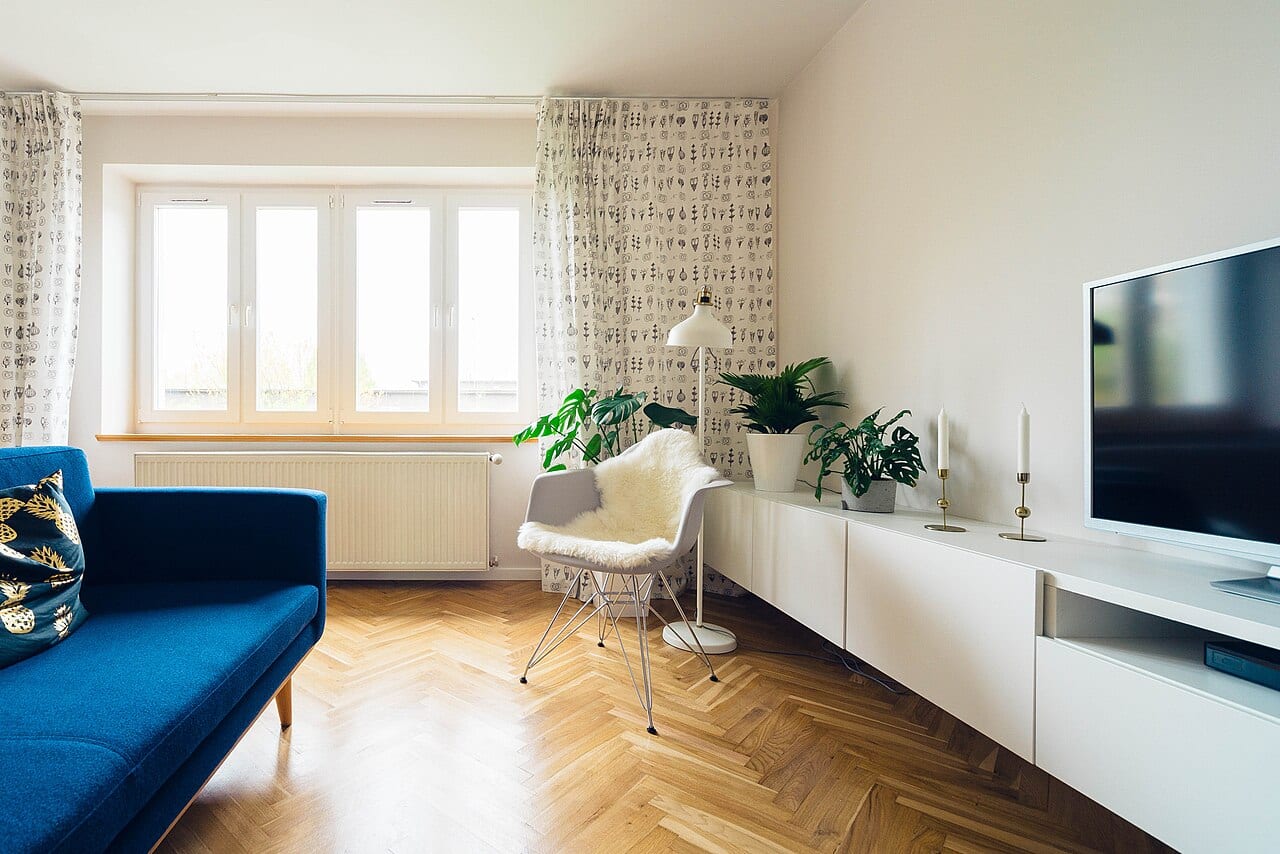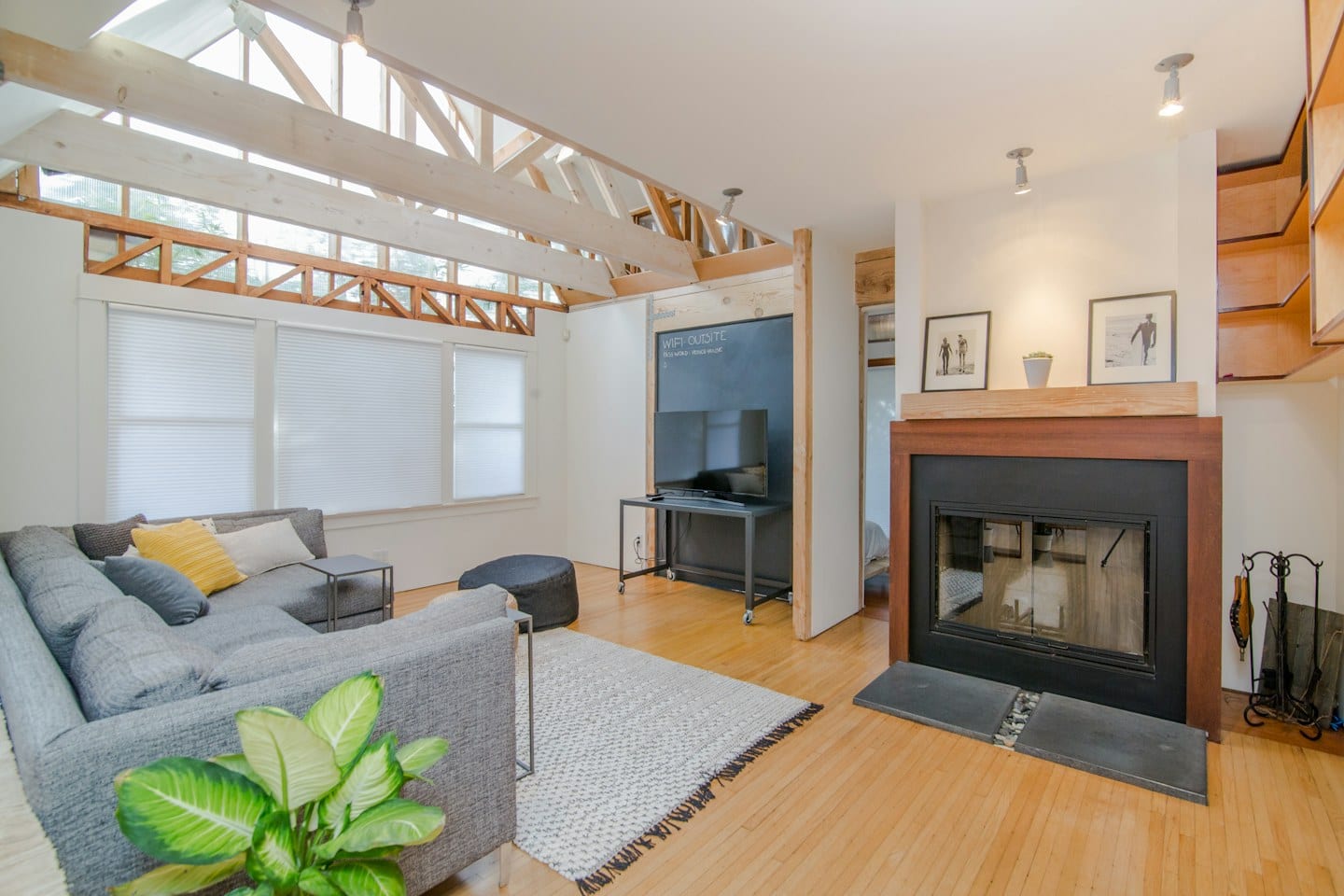
The morning sun hitting a breakfast nook can transform a room, but that same light might eventually fade your upholstery or make a midday nap impossible. Choosing how to dress your windows involves a constant negotiation between the desire for an airy, bright interior and the need to shield your private life from the street. The right choice is rarely about a single aesthetic, but rather about how a material interacts with the specific movement of the sun across your floor.
The Conflict of Contradictory Descriptions
Selecting the right solution becomes complicated when the information you receive feels inconsistent. You might encounter a situation where one source describes a product as offering "complete privacy," while another suggests it allows for "filtered light and visibility." This discrepancy creates a dilemma: do you prioritize the view of the Dallas skyline or the ability to lounge in your living room without feeling observed?
For example, if you are looking at a specific material, one salesperson might emphasize its ability to block out the afternoon heat, while a separate catalog description focuses on its ability to soften the glow of the sun. This leaves you wondering if you are actually buying a shield against the elements or a decorative filter for the light. Relying on vague adjectives can lead to a finished room that feels either too dark and heavy or too exposed and bright. When these descriptions do not align, the risk is choosing a product that fails to perform its primary function during the hours you use the room most.
Observing Your Daily Rhythms
Before seeking a final installation, observe how you actually use your rooms throughout the day. Consider the specific moments when light becomes an obstacle rather than an asset. Do you find yourself closing the blinds at 2:00 PM to avoid a glare on your computer screen? Or is your primary concern the headlights of a passing car during your evening wind-down?
A meaningful tradeoff exists between the aesthetic of a window and its function. A sheer, lightweight fabric might make a small room feel expansive and elegant, but it offers little protection if your neighbors have a direct line of sight into your bedroom. Conversely, a heavy, opaque option provides absolute seclusion but can make a space feel closed-in and disconnected from the outdoors. You must decide if you prefer to manage light through layers or through a single, versatile material.
Refining Your Selection
When you meet with a supplier to resolve these conflicting descriptions, move away from general terms and toward your specific needs. Instead of asking if a product is "good," ask how the light behaves when the treatment is partially engaged. Ask how the material responds to direct sunlight over several hours. If the descriptions you have received do not align, ask the provider to demonstrate exactly how much light passes through the fabric and how much movement is visible from the outside.
To make a final decision, match the physical properties of the material to the specific privacy requirements of each room. Ask the supplier which options allow you to adjust the balance of light and sightlines independently. By focusing on your actual patterns of light and movement, you can choose a treatment that serves both your eyes and your comfort.